Aino & Alvar Aalto
23
/
5
2026
–
24
/
1
2027
2026
Lada 2
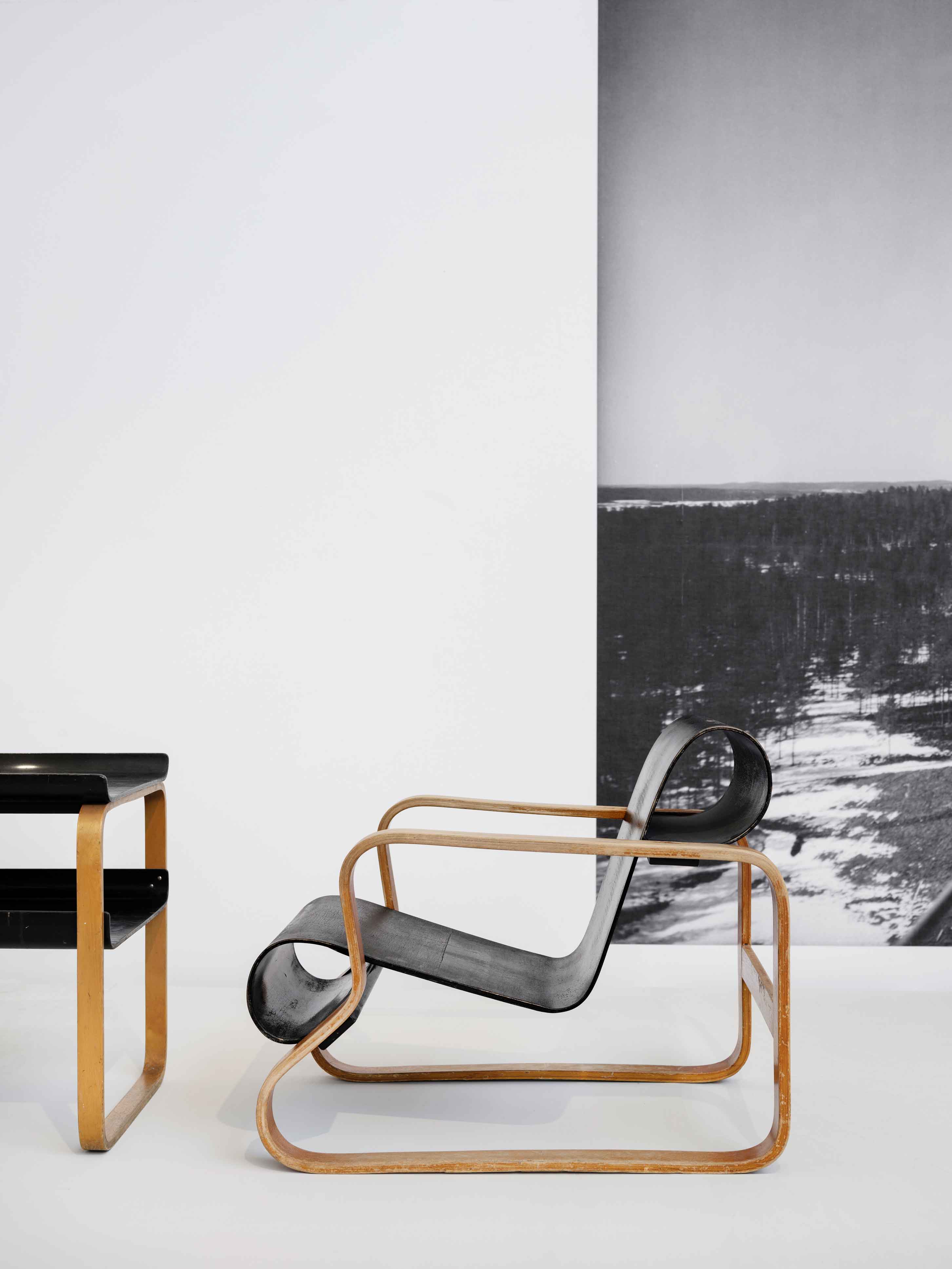
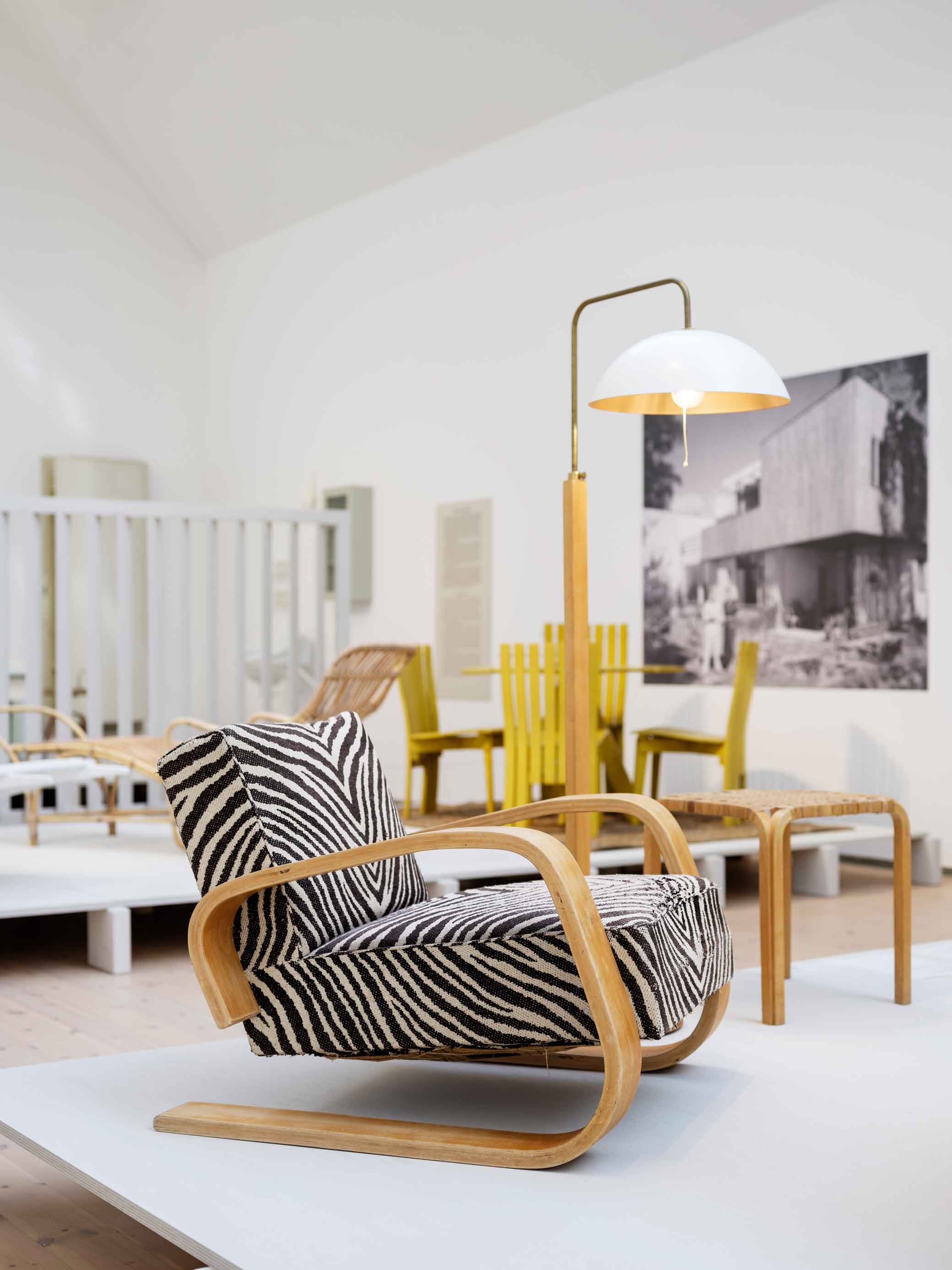
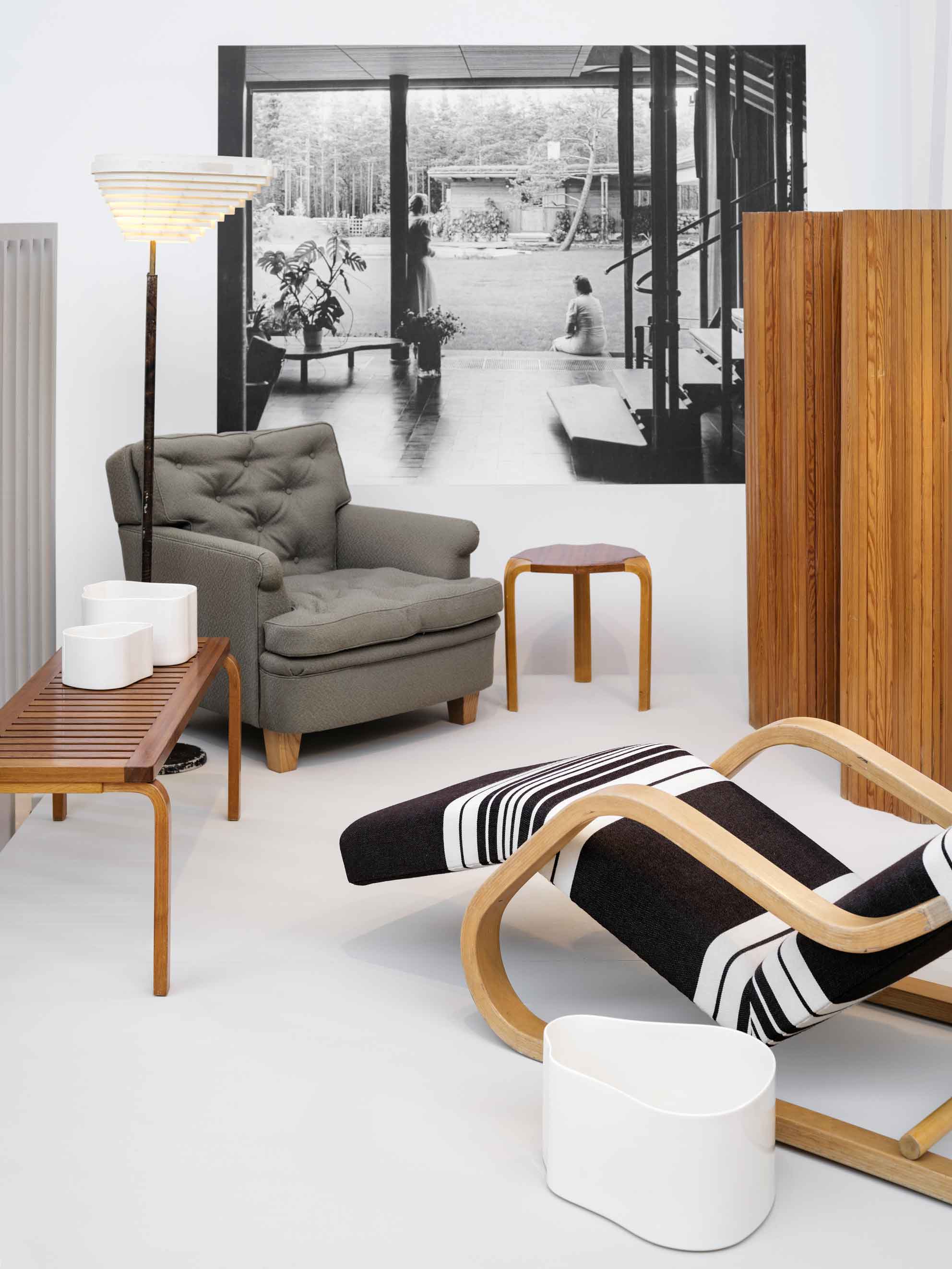
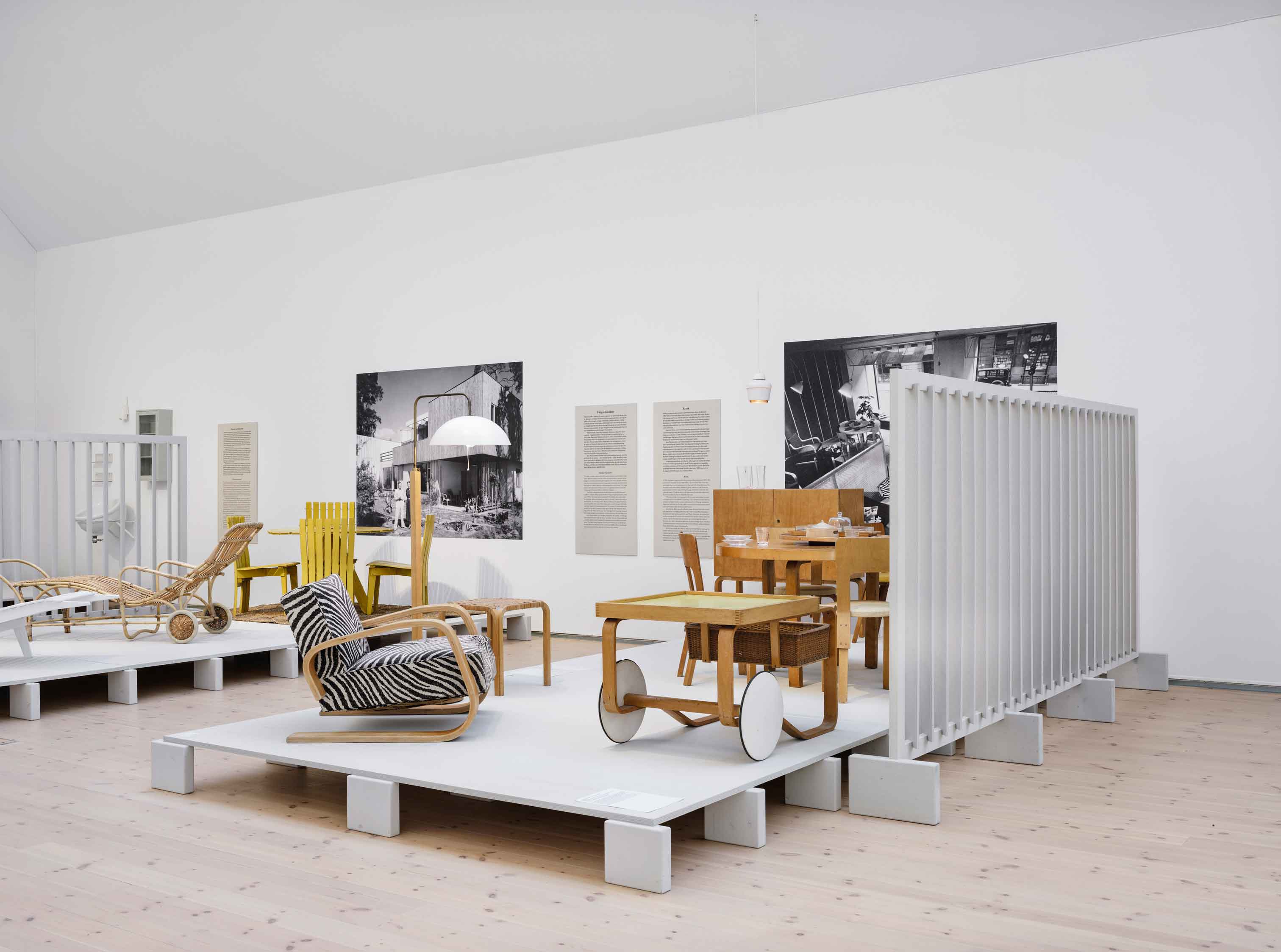
For the Aaltos, design and architecture was not merely a profession, but a way of making life beautiful for the many. They played an active role in the development of international modernism by integrating art and design into everyday life. Together, they approached architecture as a total work of art that also encompassed textiles, furniture, and lighting.
Alvar Aalto (1898–1976) is often celebrated as one of the foremost figures in modern design and architecture. However, he always emphasized Aino Marsio-Aalto (1894–1949) as his closest collaborator, and today we know that they worked together on nearly every project. Alvar Aalto often led the architectural commissions, while Aino Marsio-Aalto was responsible for the overall interior concepts—yet their creative processes were so deeply intertwined that it is difficult to distinguish their individual contributions. The Aalto archives contain hundreds of drawings signed “A M-A”, indicating that Aino Marsio-Aalto was the principal designer behind these projects.
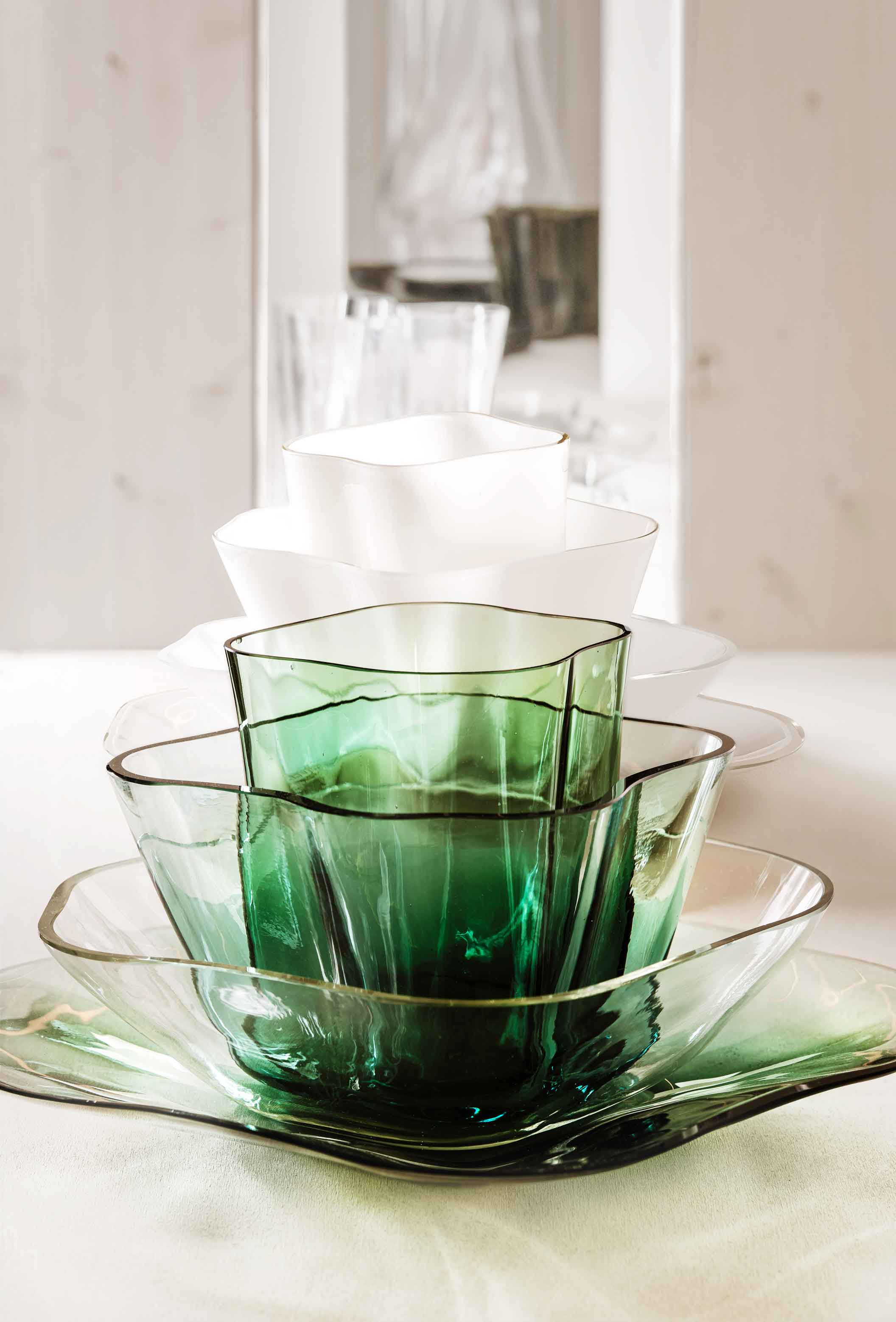
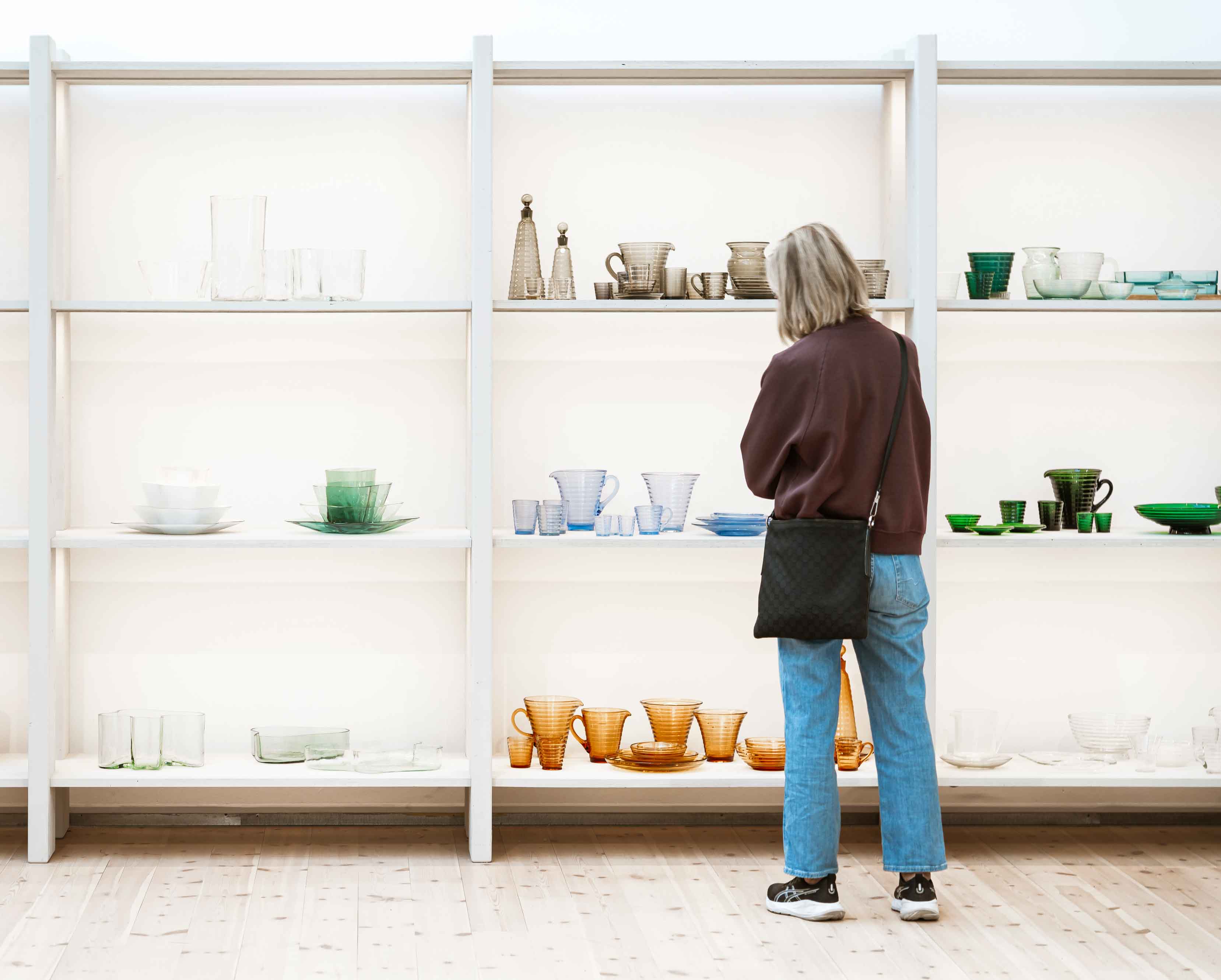
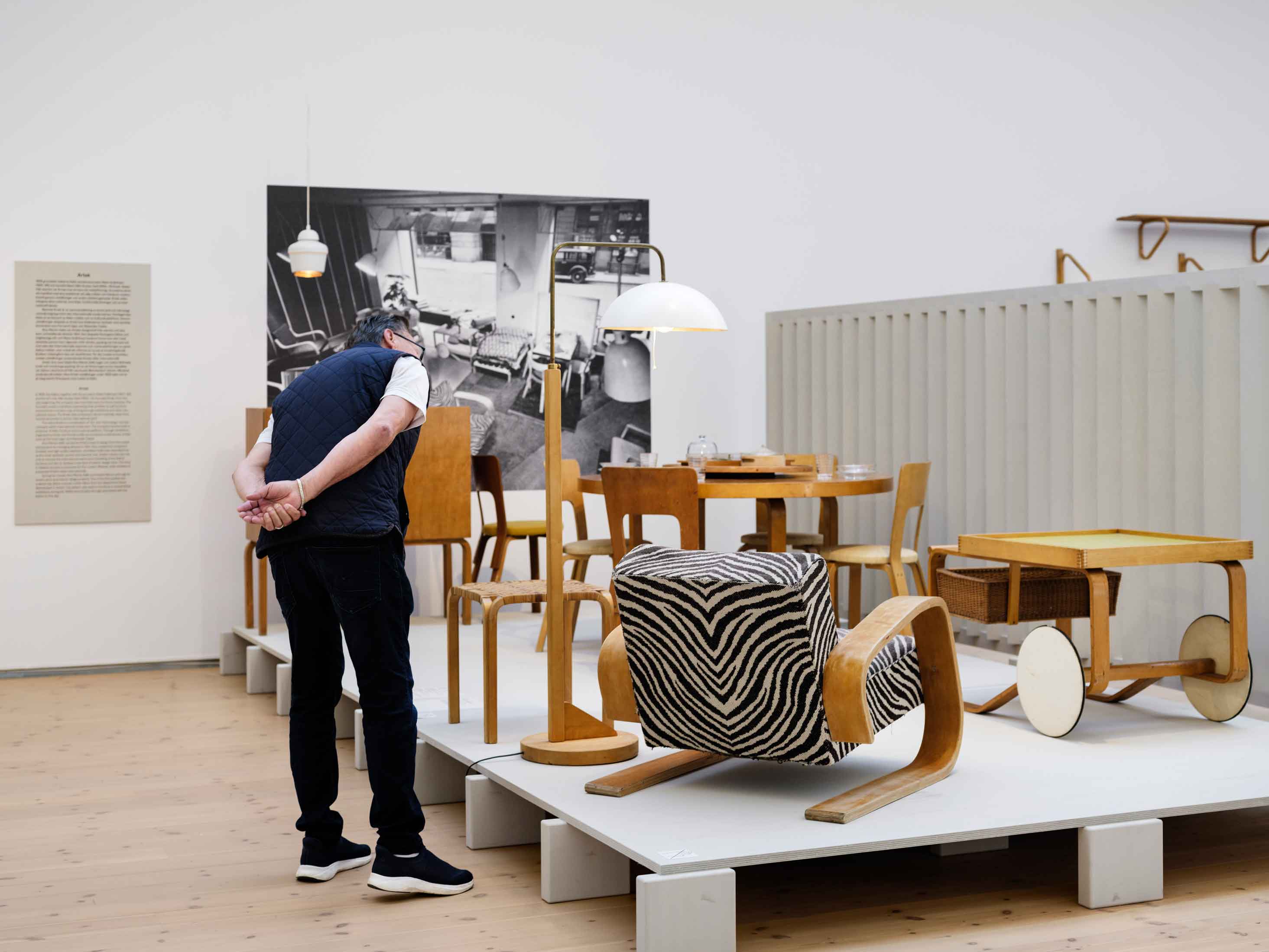
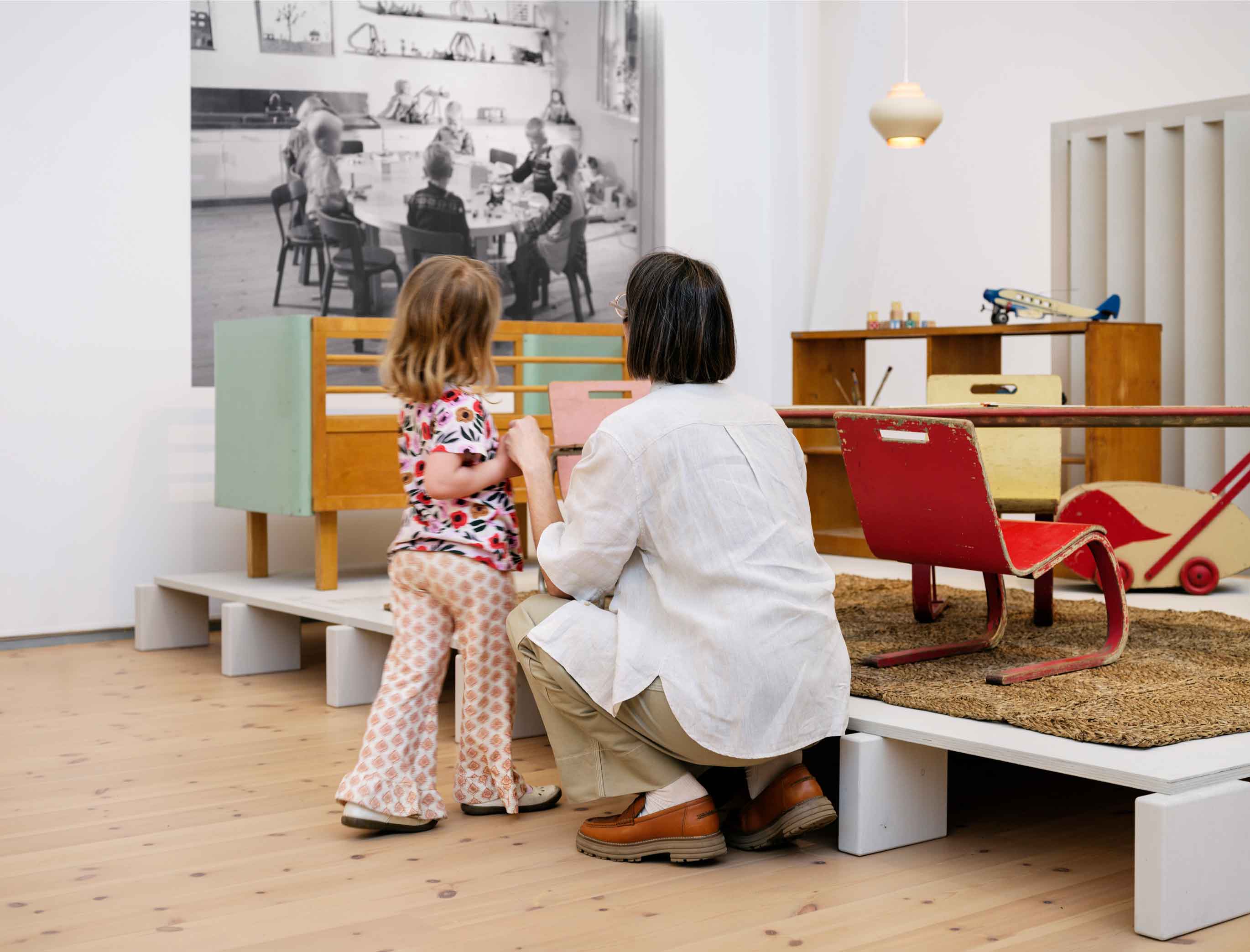
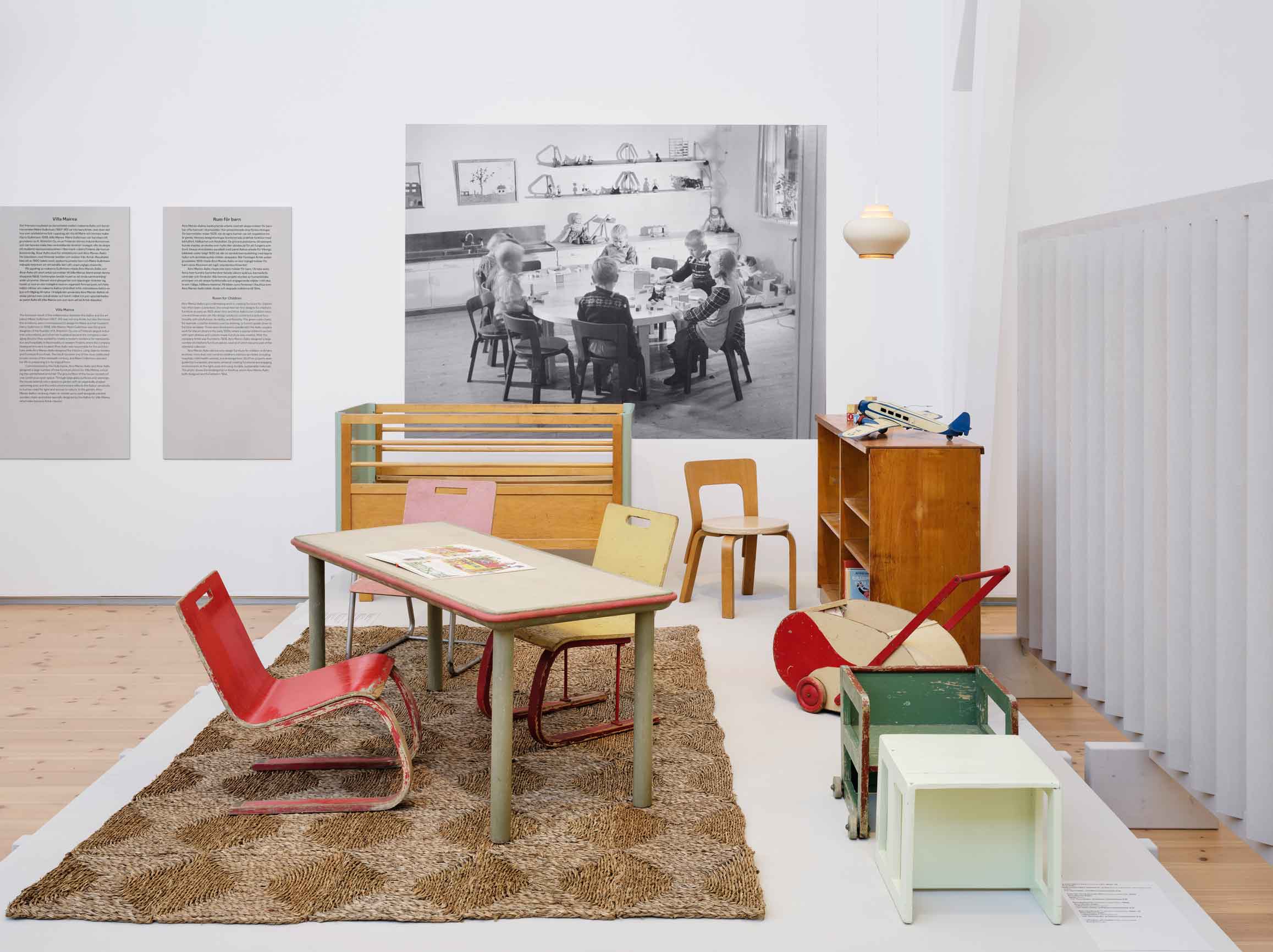
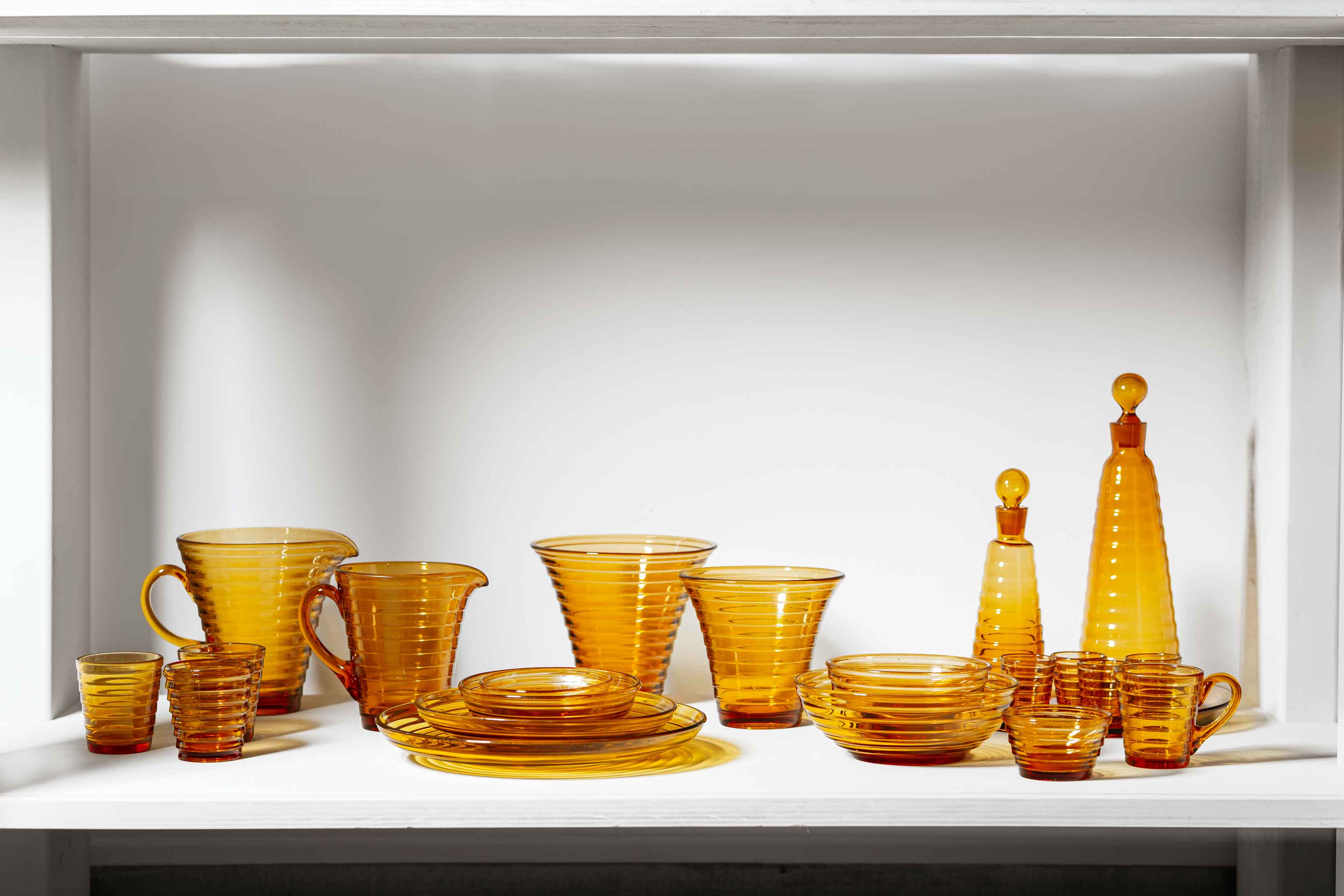
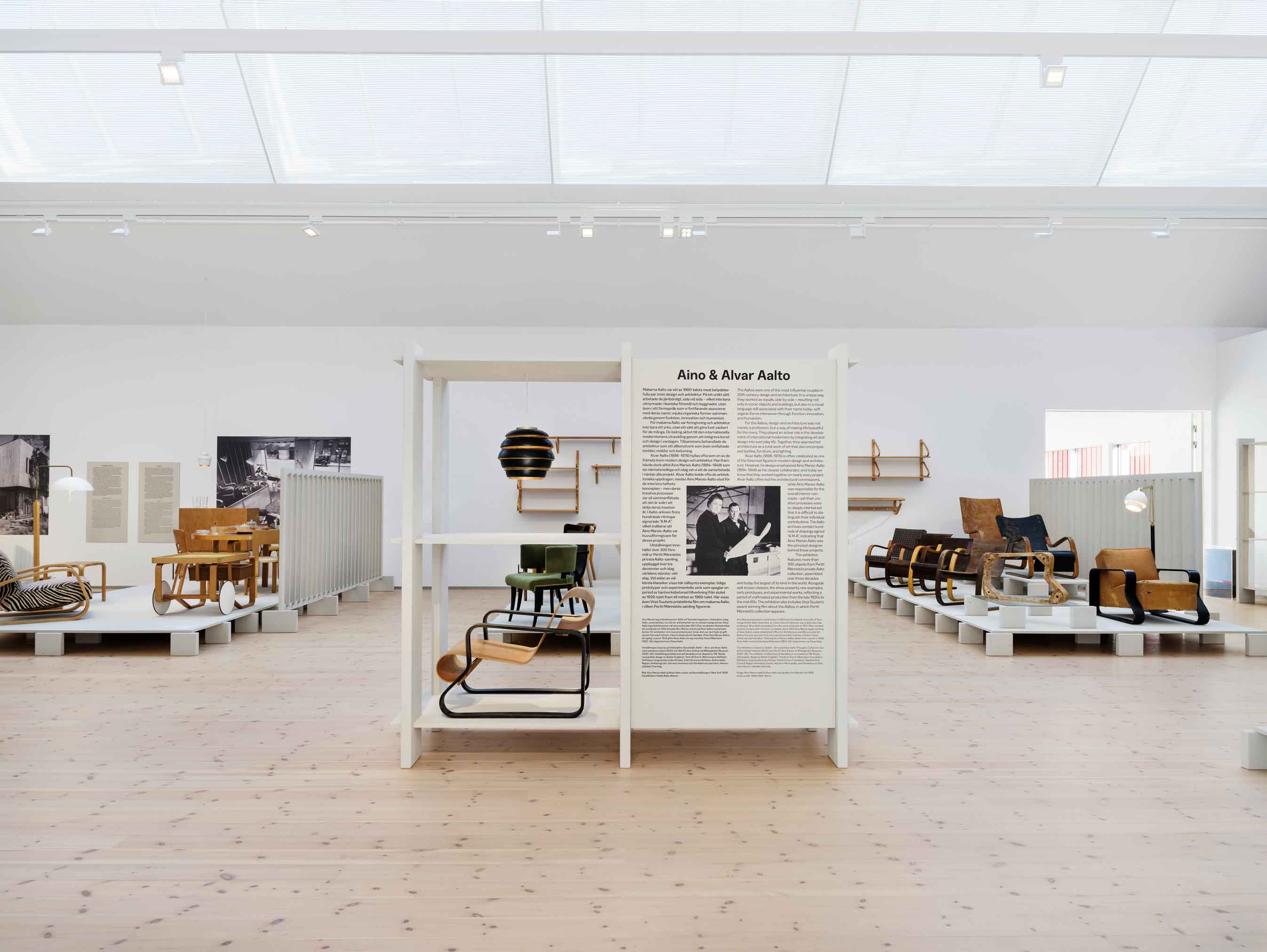
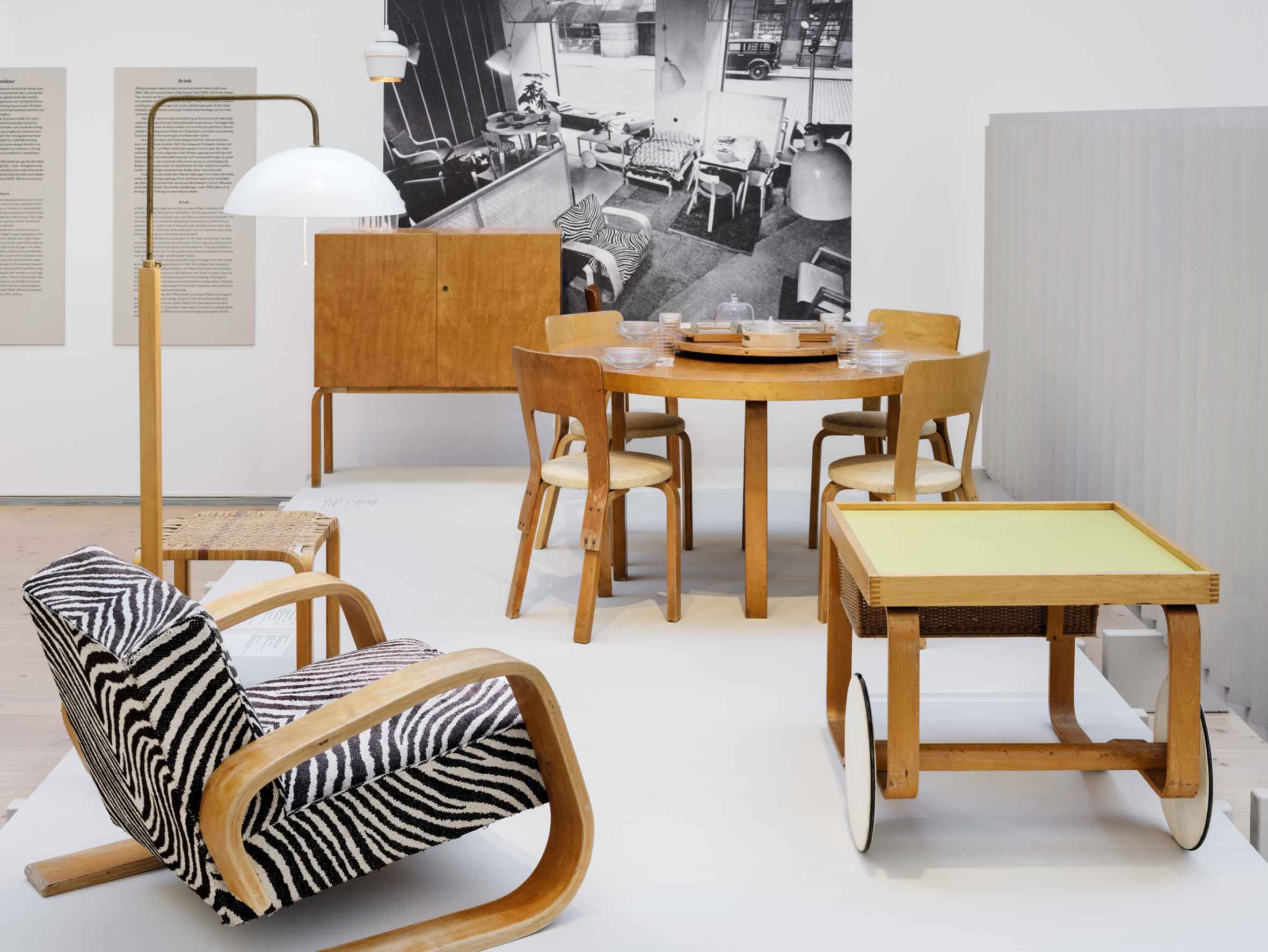
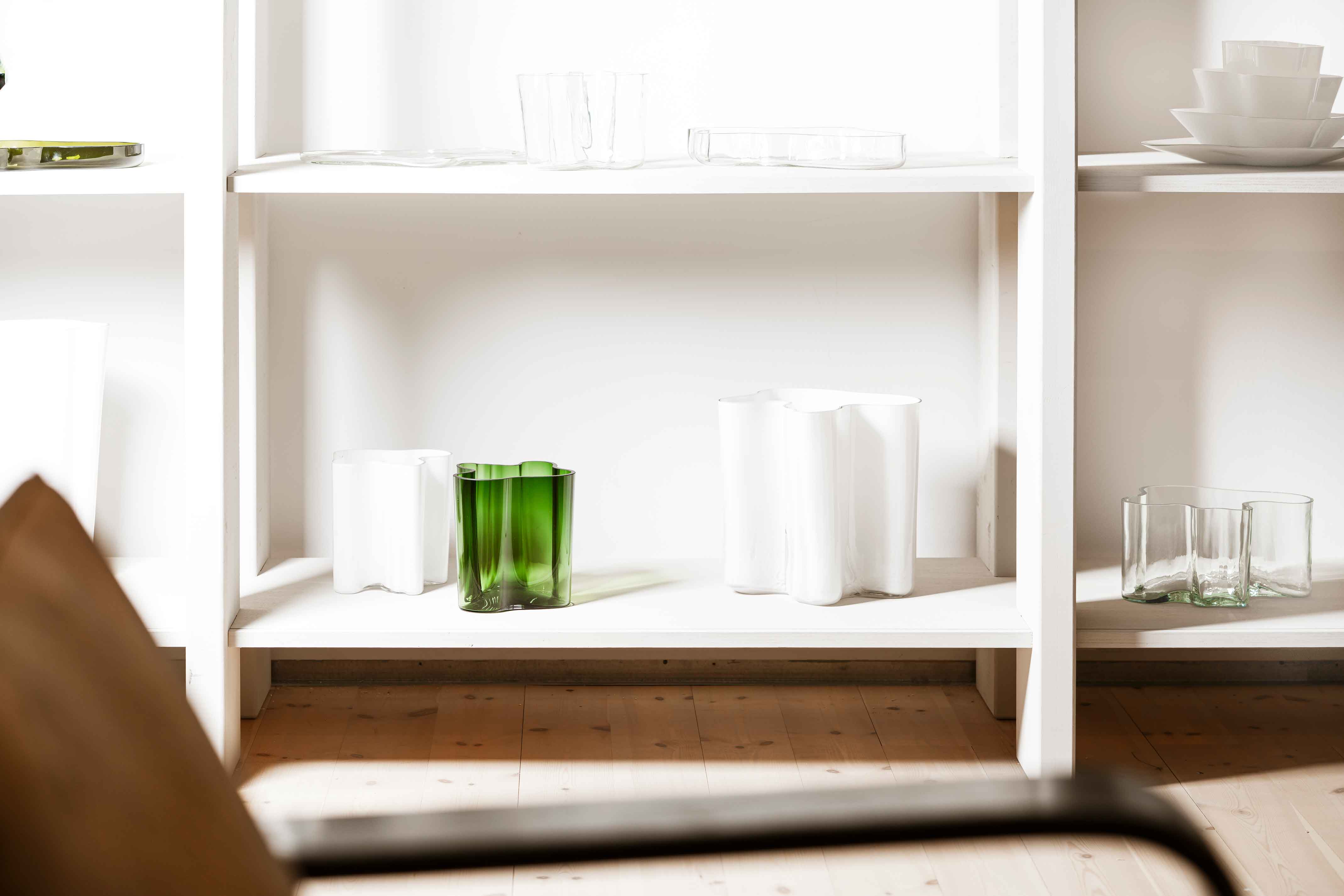
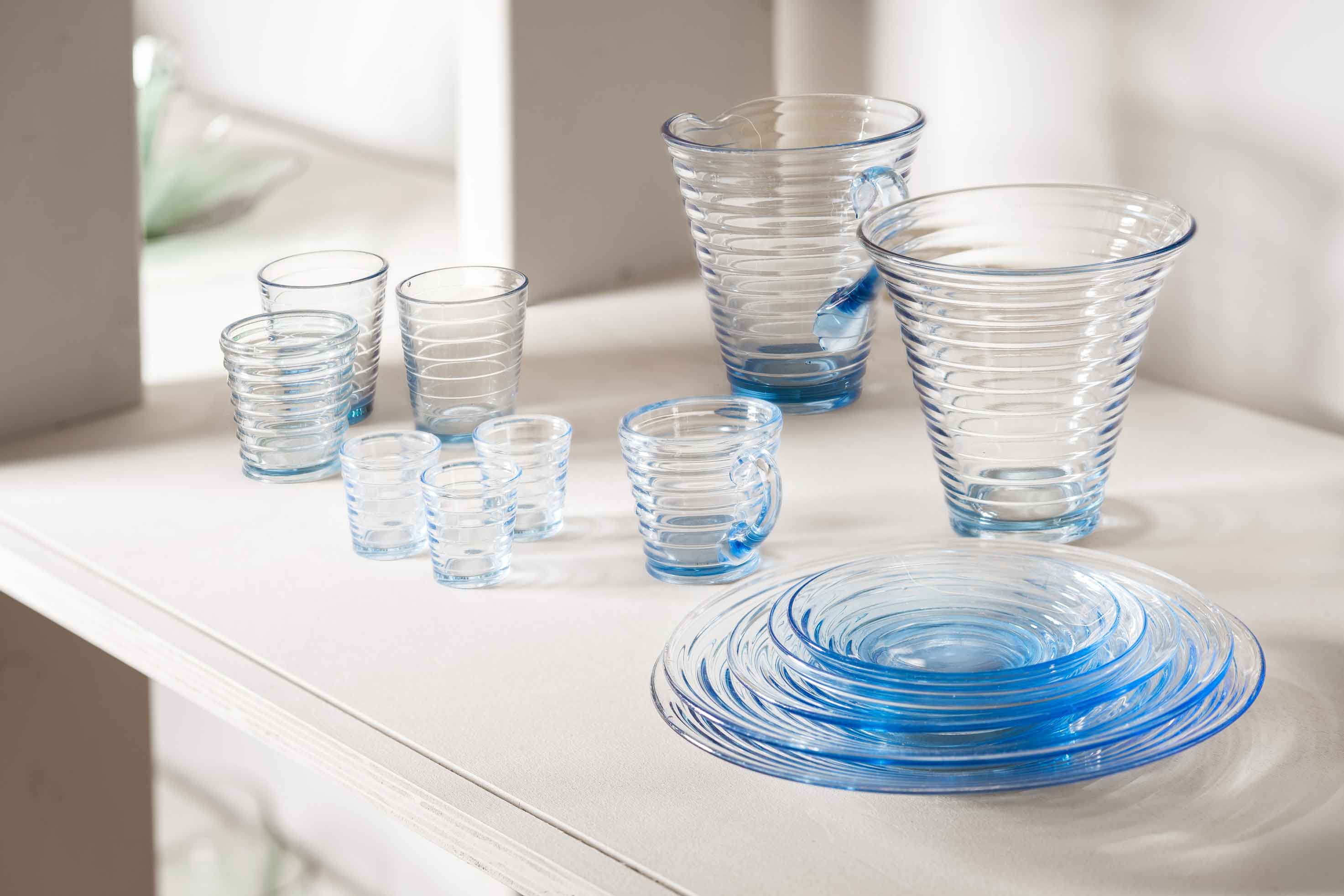
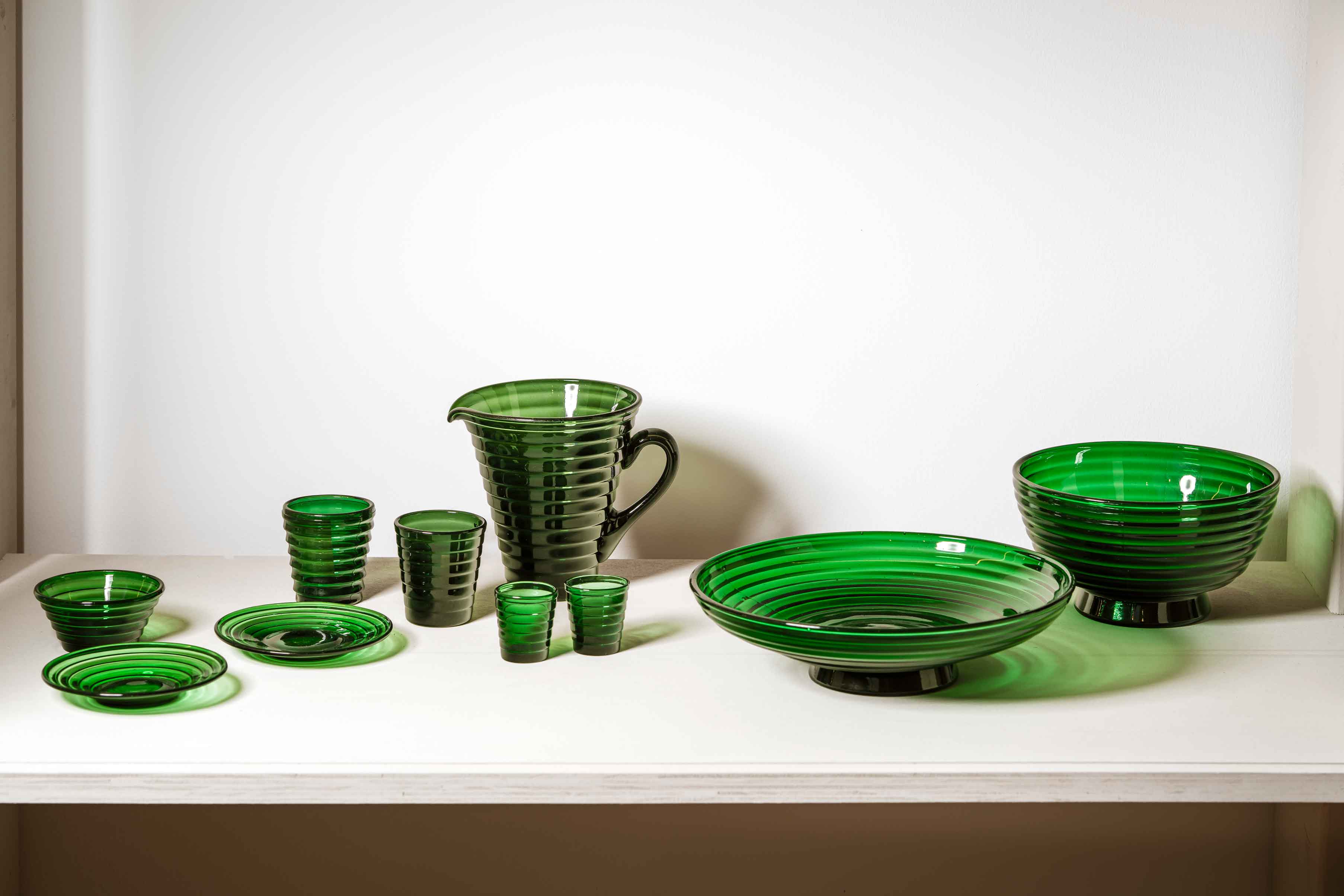
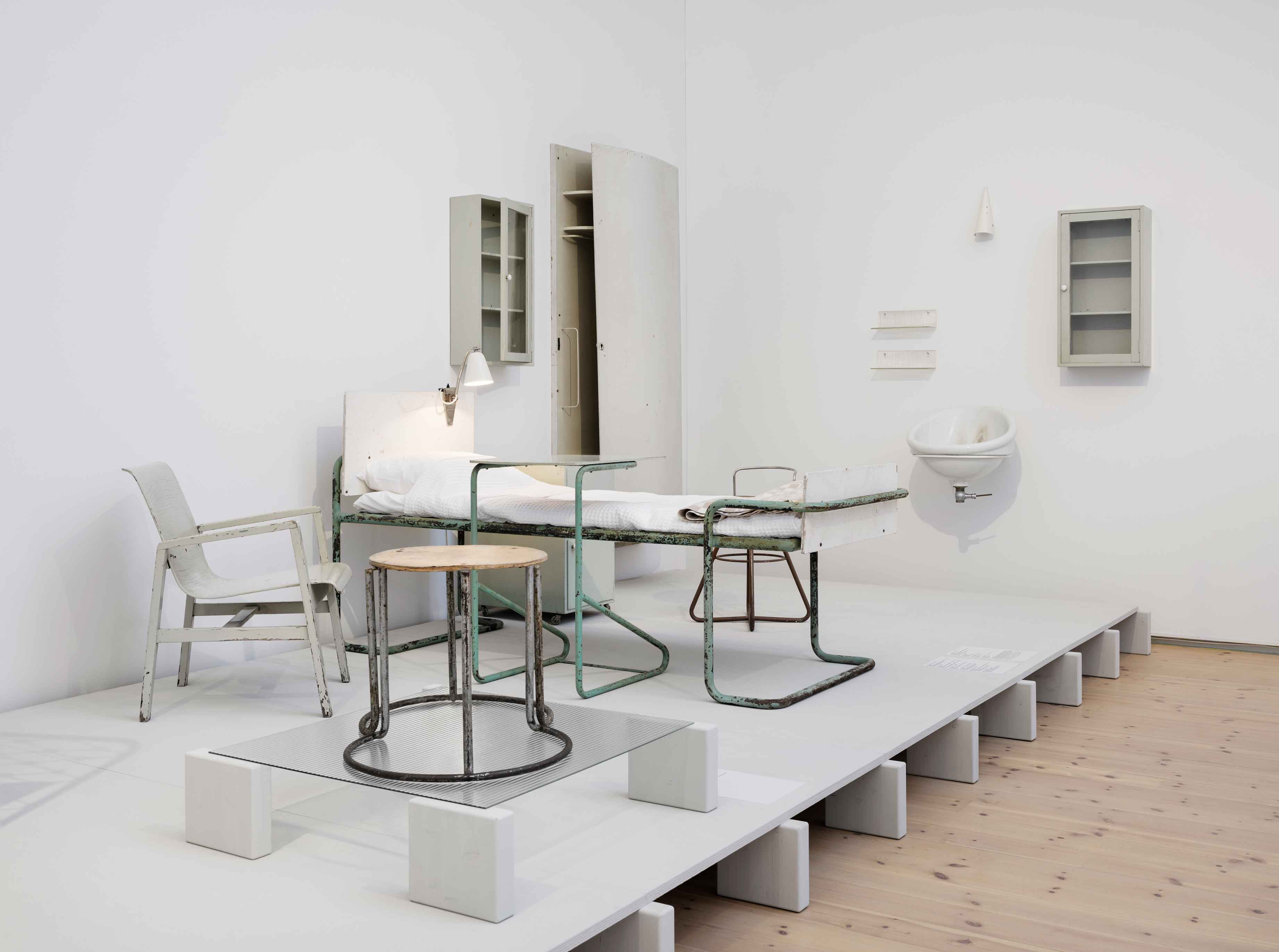
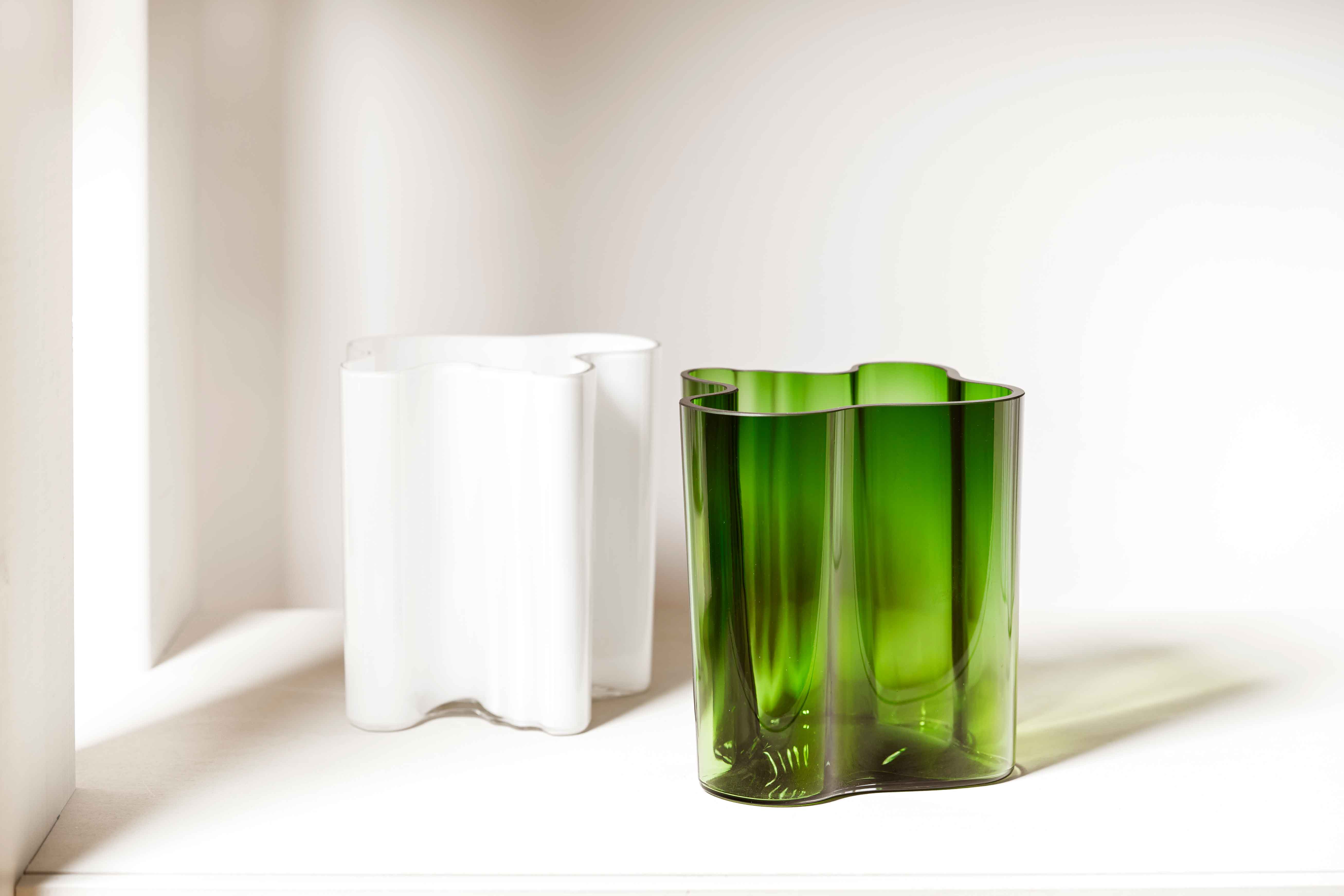
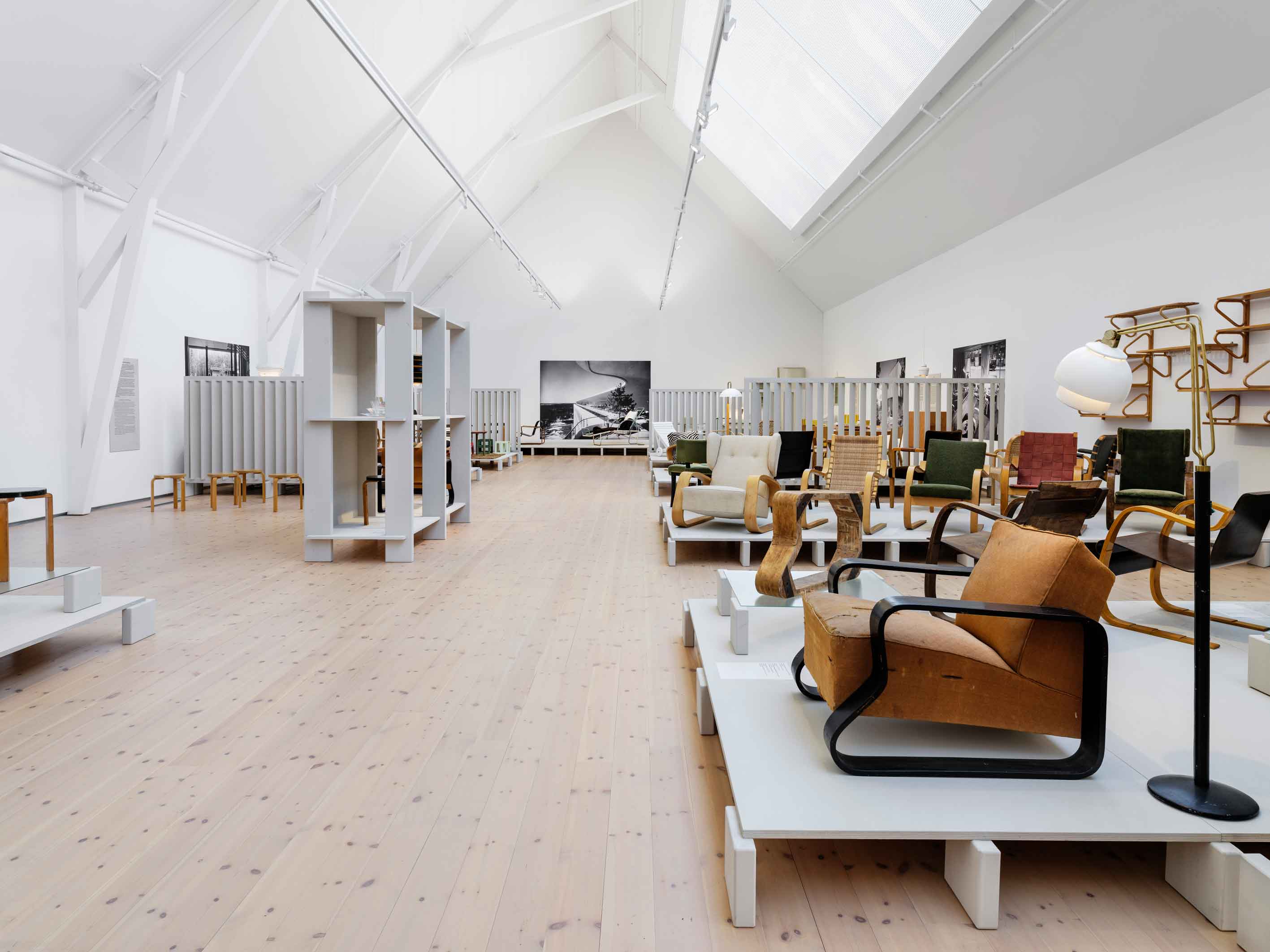
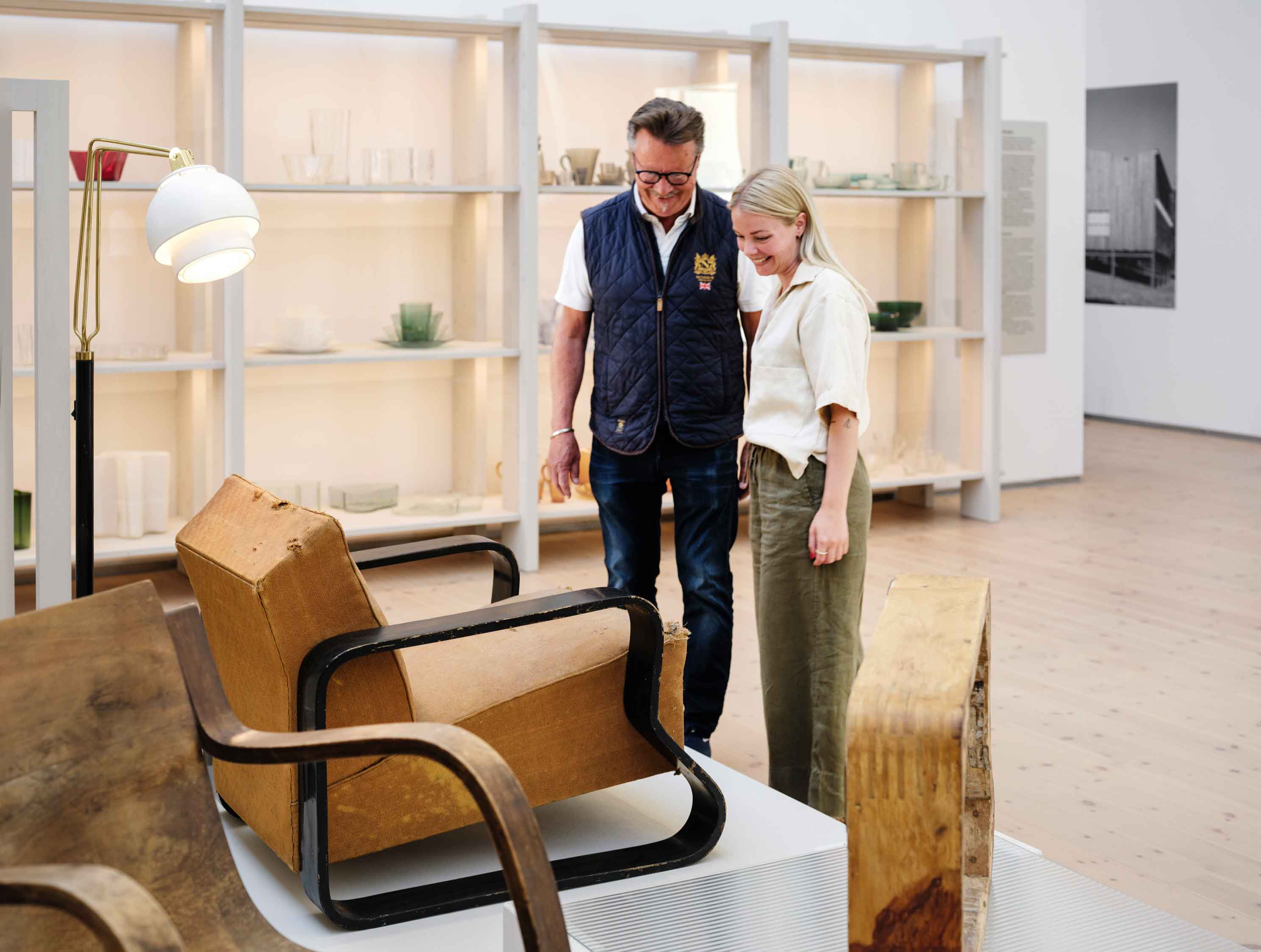
The exhibition features more than 300 objects from Pertti Männistö’s private Aalto collection, assembled over three decades and today the largest of its kind in the world. Alongside well-known classics, the show presents rare examples, early prototypes, and experimental works, reflecting a period of craft-based production from the late 1920s to the mid-60s. The exhibition also includes Virpi Suutari’s award-winning film about the Aaltos, in which Pertti Männistö’s collection appears.
Aino Marsio graduated in architecture in 1920 from the Helsinki University of Technology (today Aalto University), at a time when architecture was a distinctly male profession. Alvar Aalto graduated from the same institution in 1921. After completing their studies, both moved to Jyväskylä, and in 1924 Aino Marsio began working at Alvar Aalto’s newly established Office for Architecture and Monumental Art. Before the year was over, they had married and later had two children, Hanni (Johanna) and Hamilkar. Following Aino Marsio-Aalto’s death from cancer in 1949, Alvar Aalto married Elsa-Kaisa Mäkiniemi (1922–94), today known as Elissa Aalto.
The exhibition is based on Aallot — Aino and Alvar Aalto Through a Collector's Eye at Kunsthalle Helsinki (2022) and AALTO Aino & Alvar at Millesgården Museum (2025-26). The exhibition architecture at Vandalorum is created by TAF Studio, with graphic design by Stefan Engblom.
Thanks to: Tore G. Wärenstam Foundation, Stiftelsen Längmanska kulturfonden, Estrid Ericson Foundation, Letterstedtska föreningen, Swedish Arts Council, Region Jönköping County, Värnamo Municipality, and Vandalorum’s Partners: Hamrin, Liljedahl, Svenstig
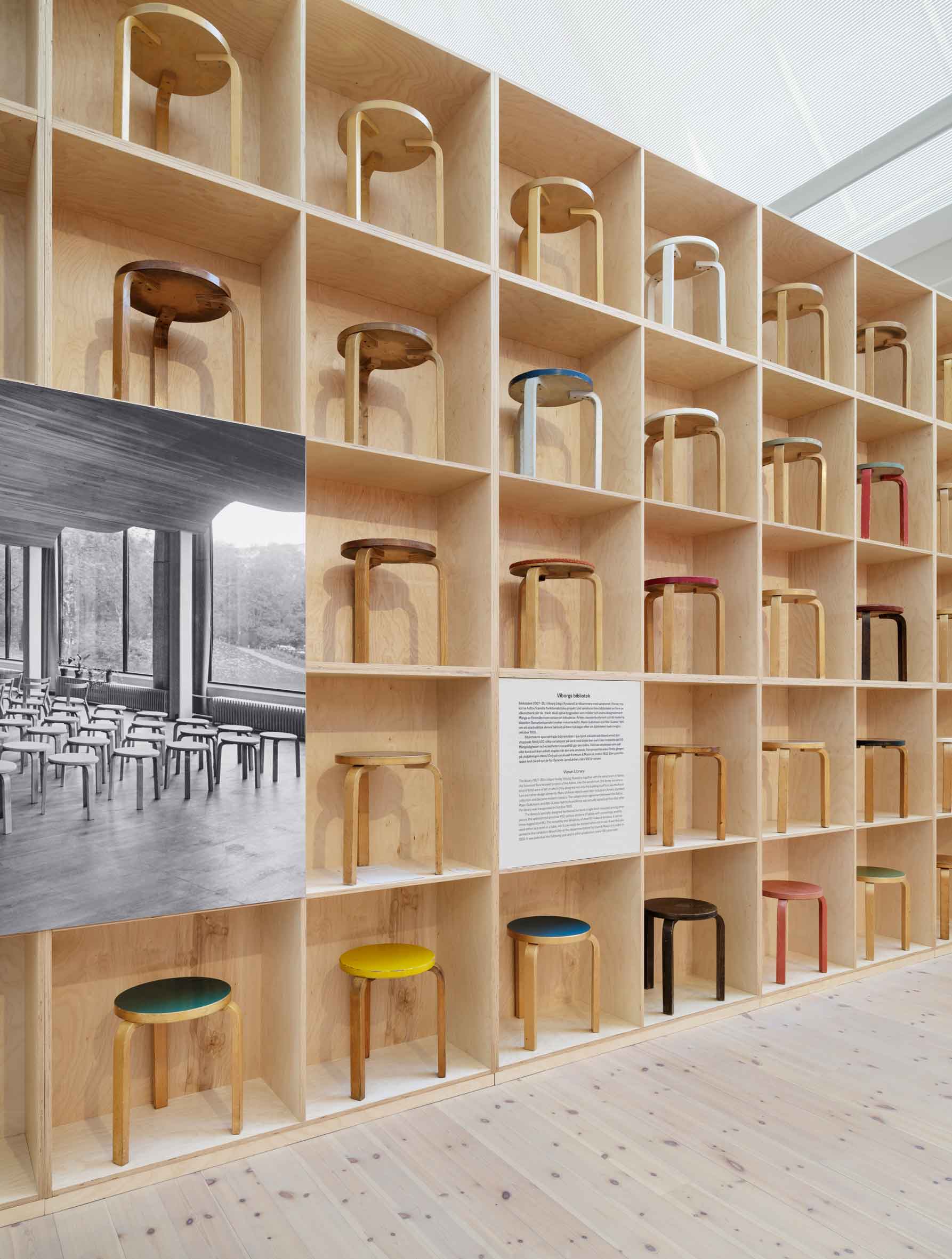
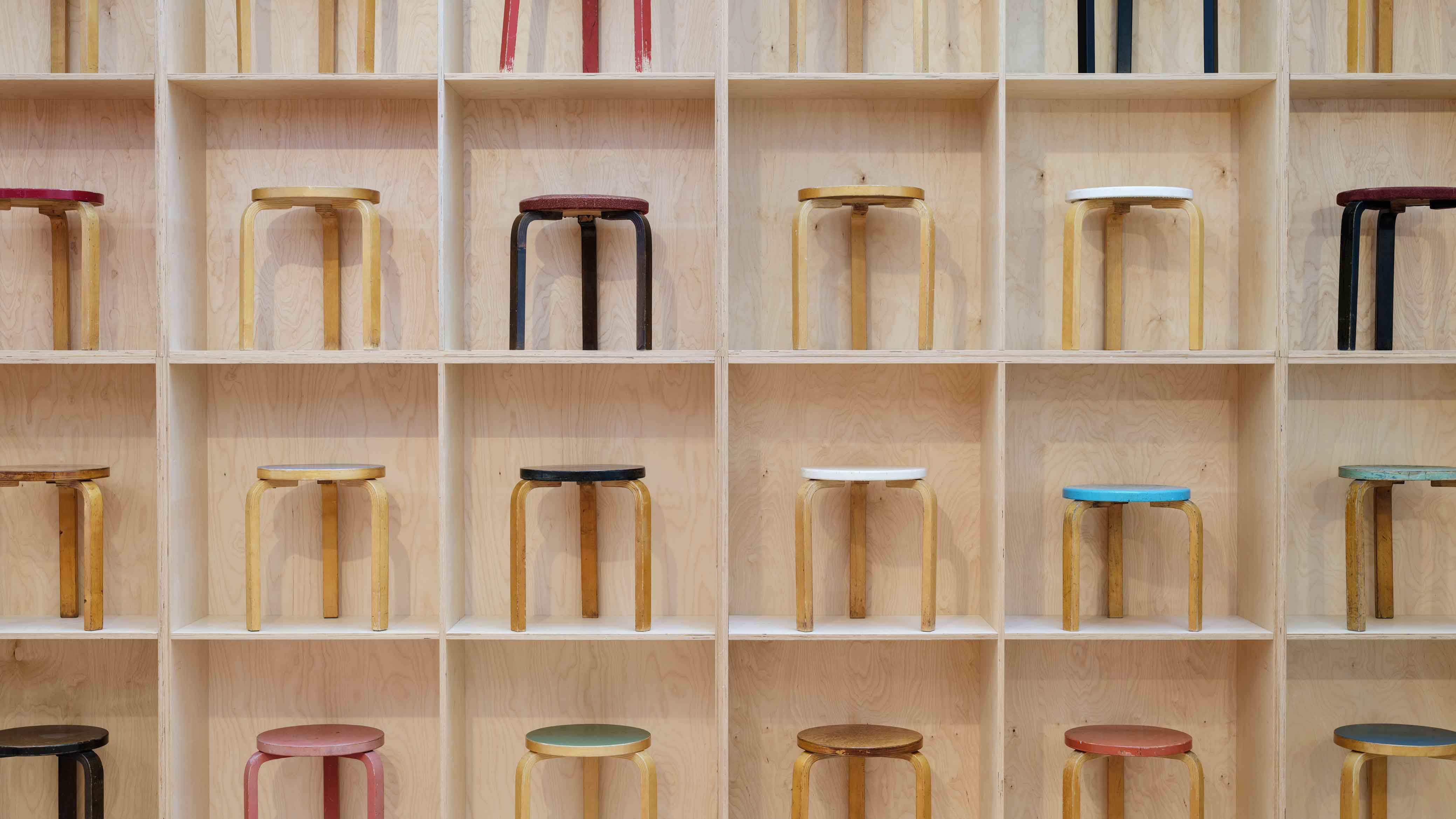
In connection with the exhibition Vandalorum and Artek launch the project The Artist's Stool where contemporary artists and designers were invited to make their own interpretation of Alvar Aaltos Stool 60 in birch (designed 1933). The stools will be displayed in the exhibition at Vandalorum and eventually auctioned. The revenue collected by the pallets is divided equally between the authors and Vandalorum. Vandalorum's part goes directly to Design School, where children and young people meet weekly to learn about design and work in workshop form with professional designers.
Contributors in The Artist's Stool: Peter Andersson, Karin Broos, Ann Edholm, Folkform (Anna Holmquist & Chandra Ahlsell), Maria Jeglinska-Adamczewska, Richard Johansson, Jenny Nordberg, Masayoshi Oya, Fredrik Paulsen, Sigrid Sandström, TAF (Gabriella Lenke & Mattias Ståhlbom), Gustaf Westman
Photos: Patrik Lindell & John Nelander