Ellen Ehk Åkesson and Markus Åkesson
Nightshine
26
/
9
2026
–
14
/
2
2027
2026
Lada 3

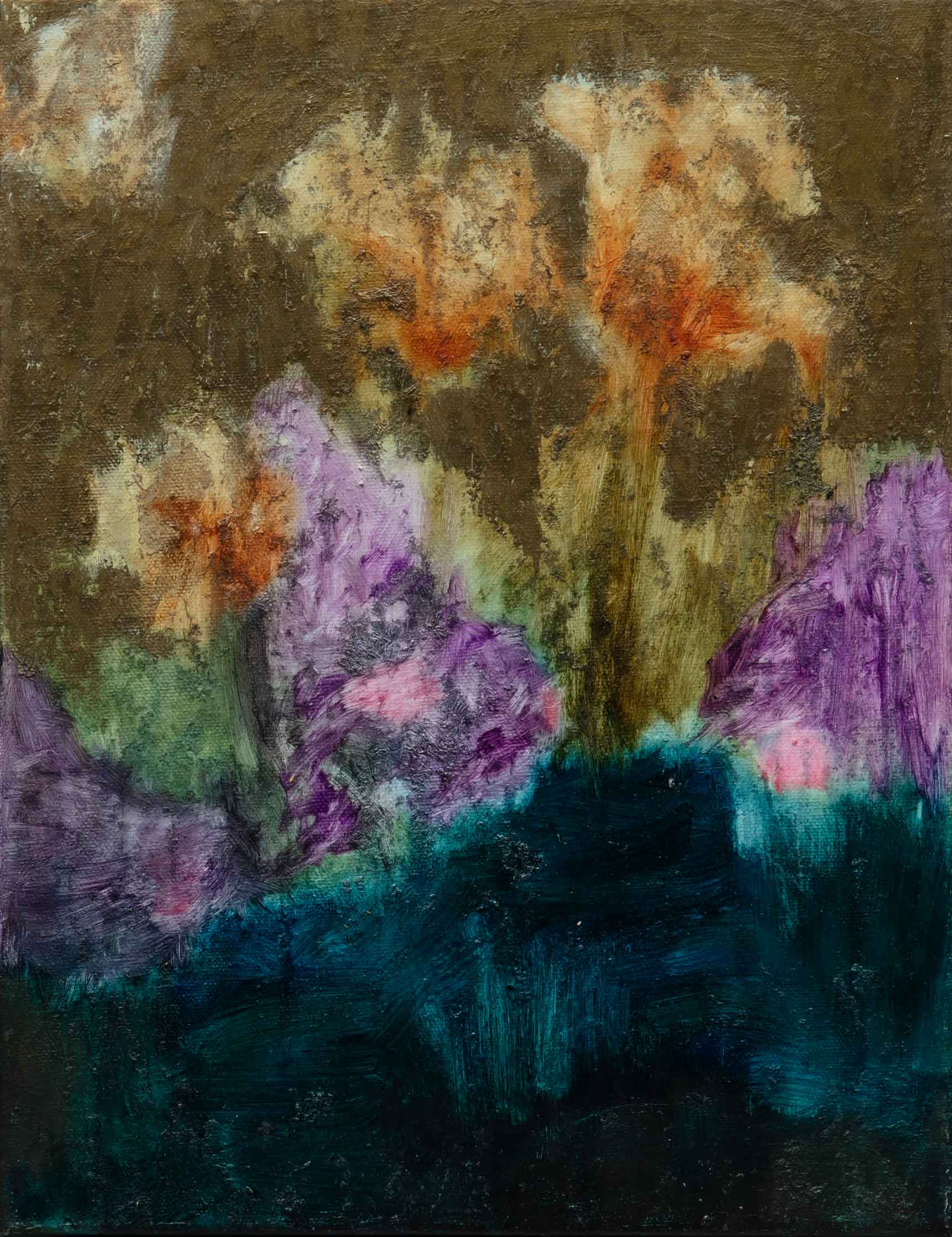
Both artists have their roots in the same area where they work today, outside Nybro in Småland. Creativity has been a part of their lives since childhood, and the surrounding landscape and forests have come to shape their artistic work. Common to both of their expressions is a shift in reality that feels strangely familiar, providing an amplified and elevated sense of existence.
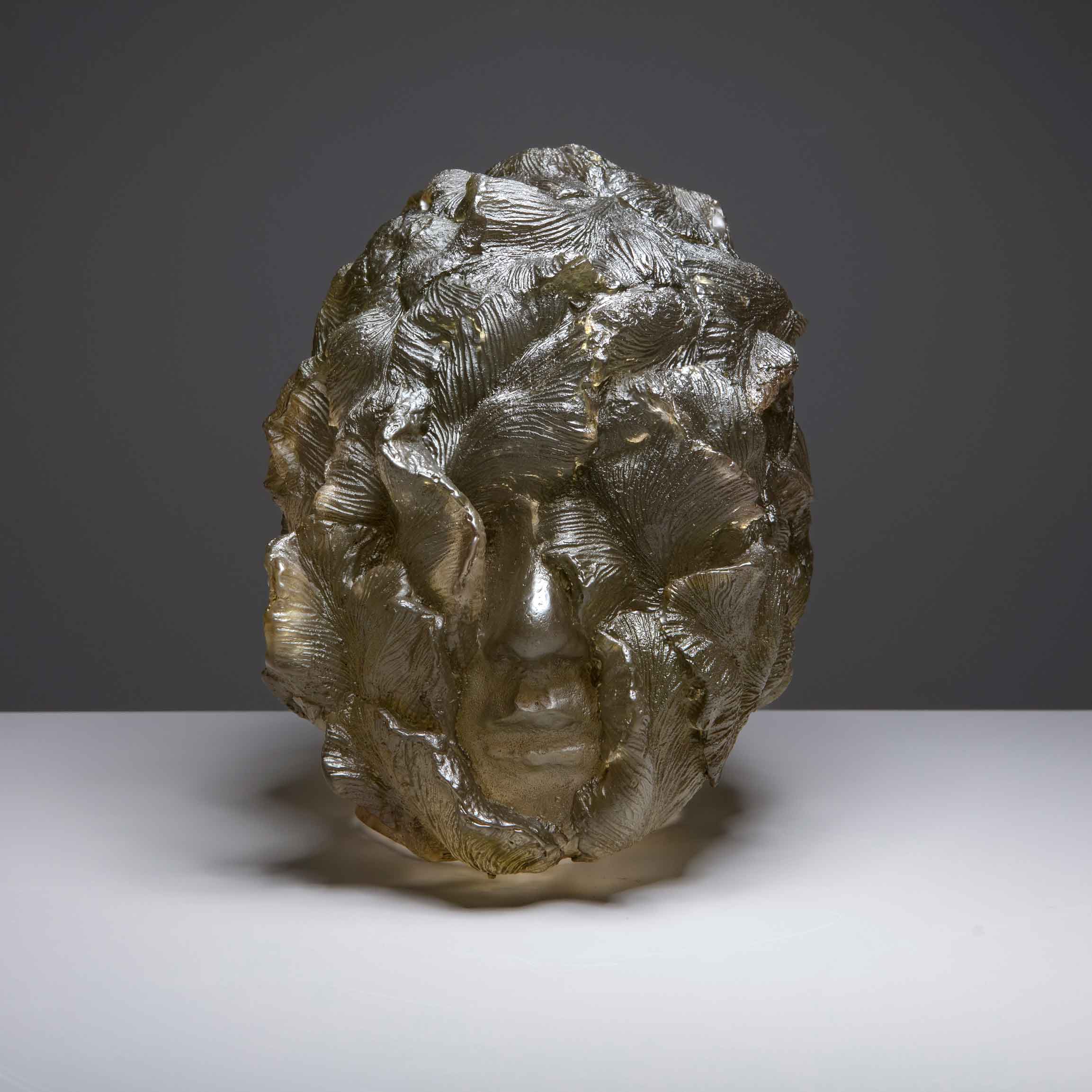
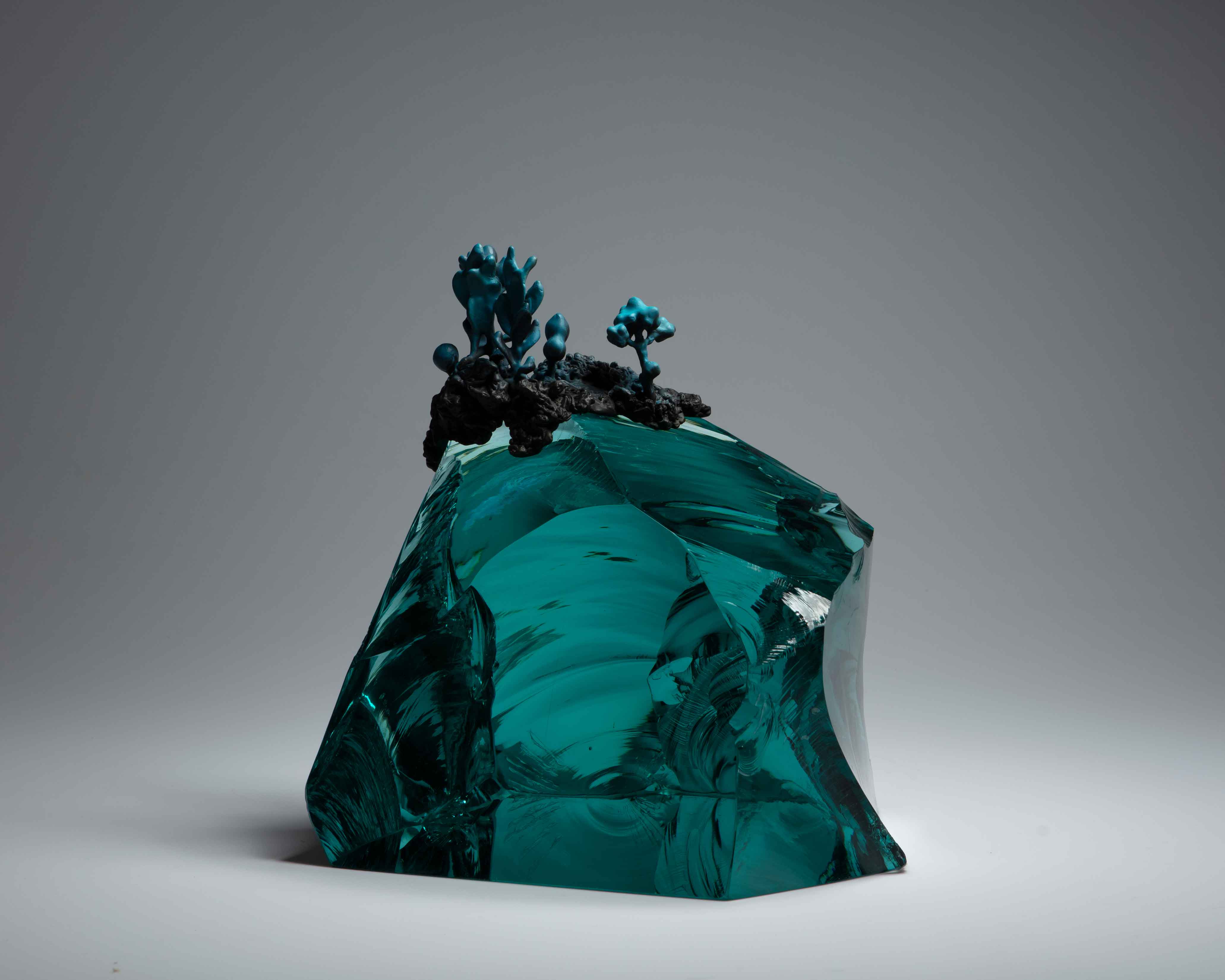
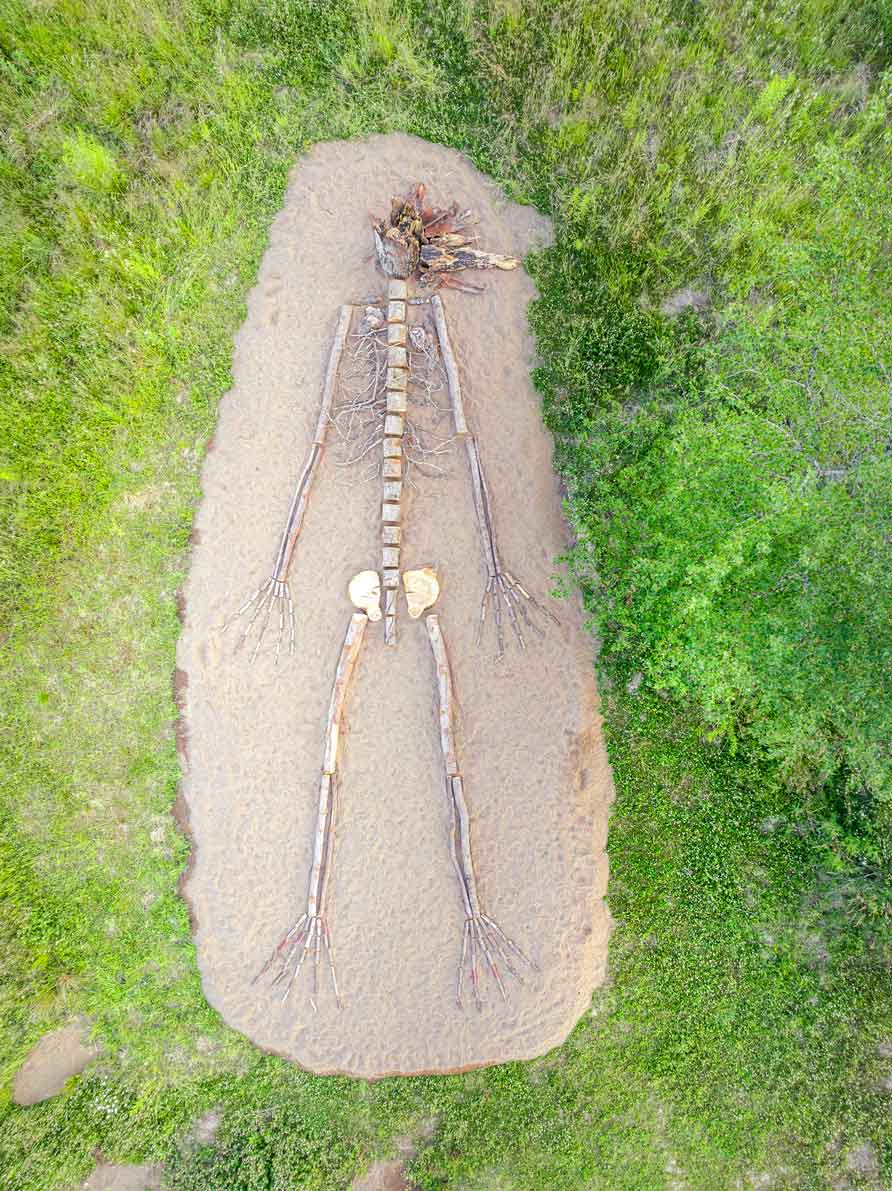
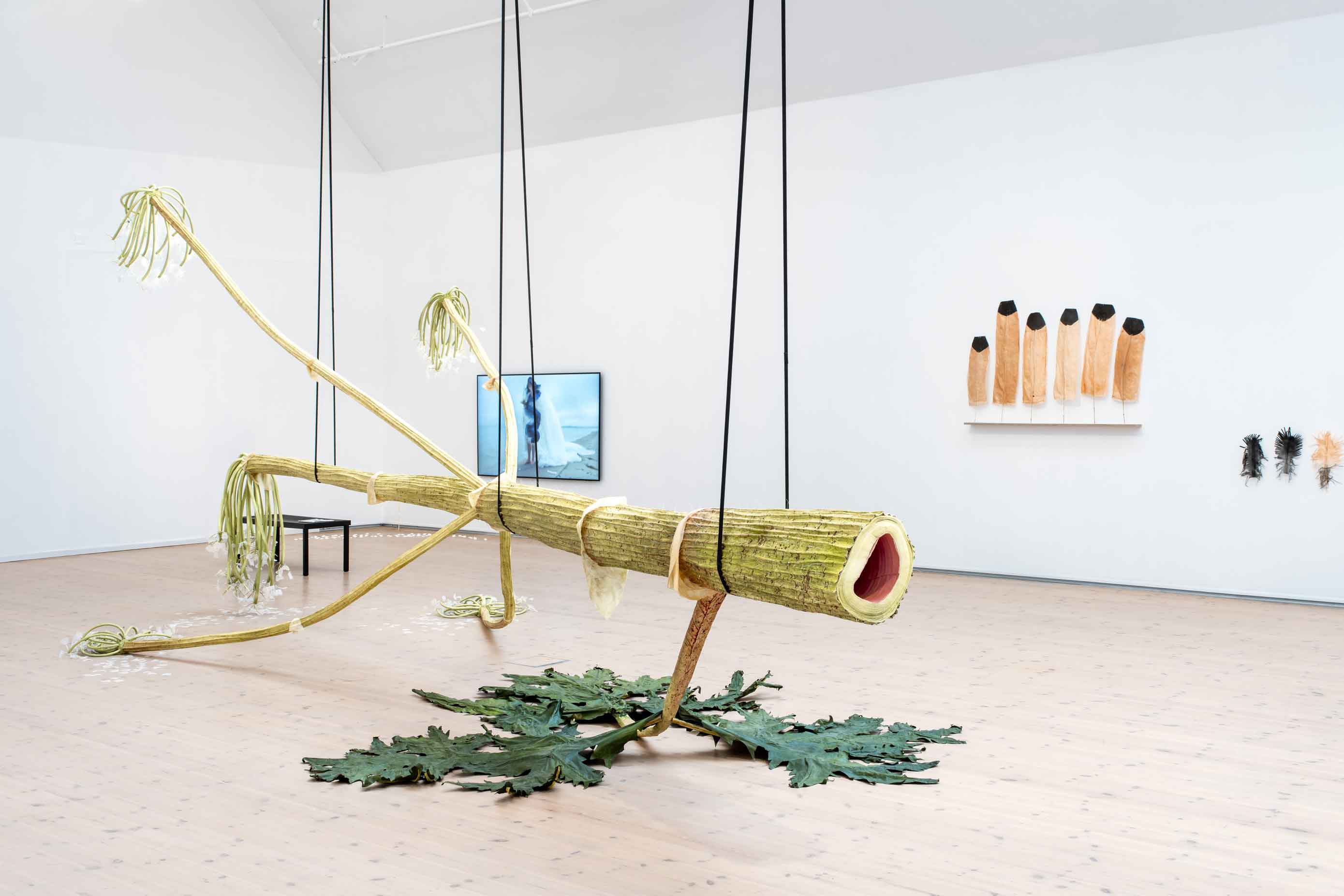
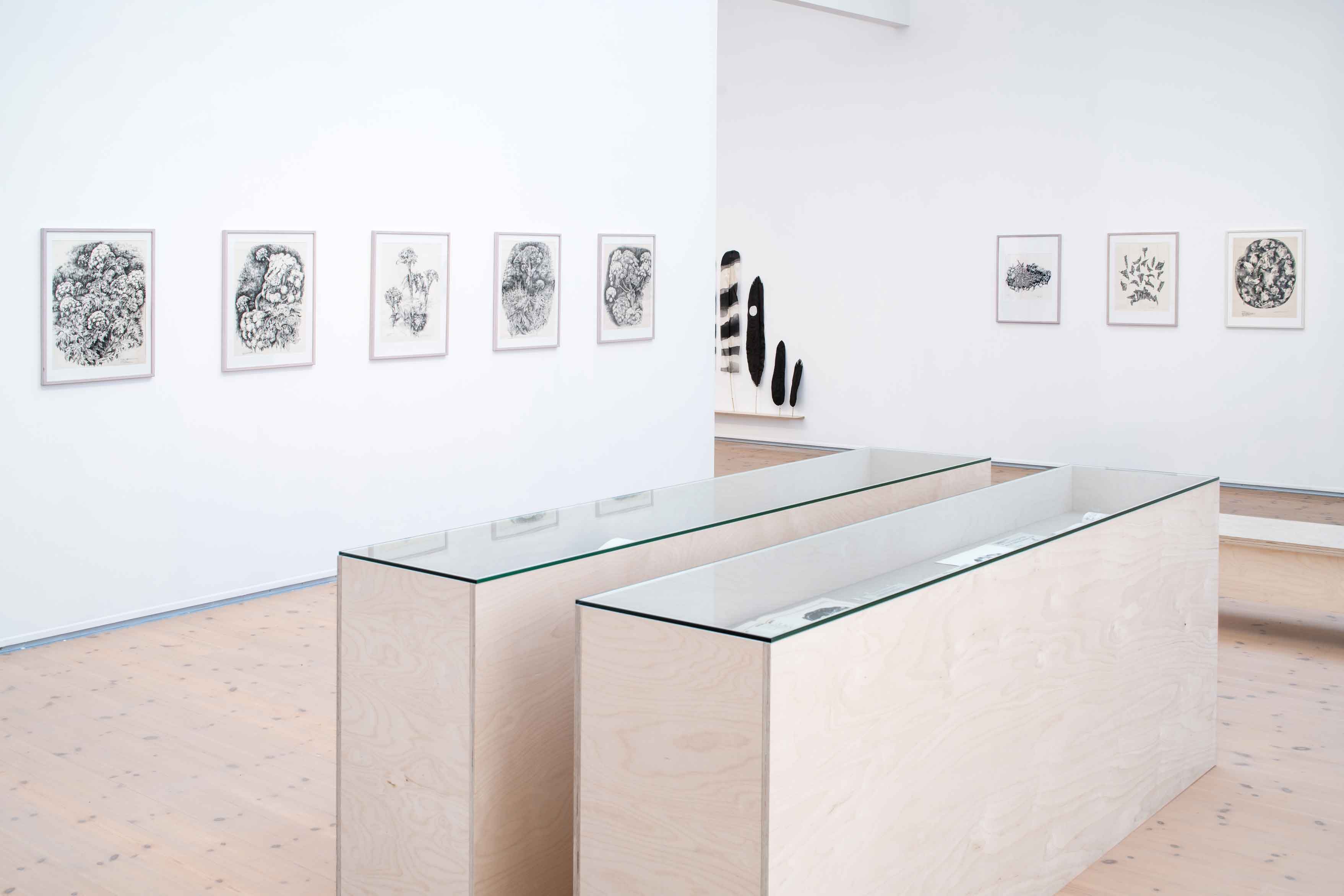
Ellen Ehk Åkesson often starts with raw materials, creating in an experimental dialogue between hand and matter. Her artistic practice is characterized by sculptural works and an interplay between different materials and textures, such as ceramics, glass, and bronze. Her organic expression indicates a deeper understanding of nature as a reflection of our human reality.
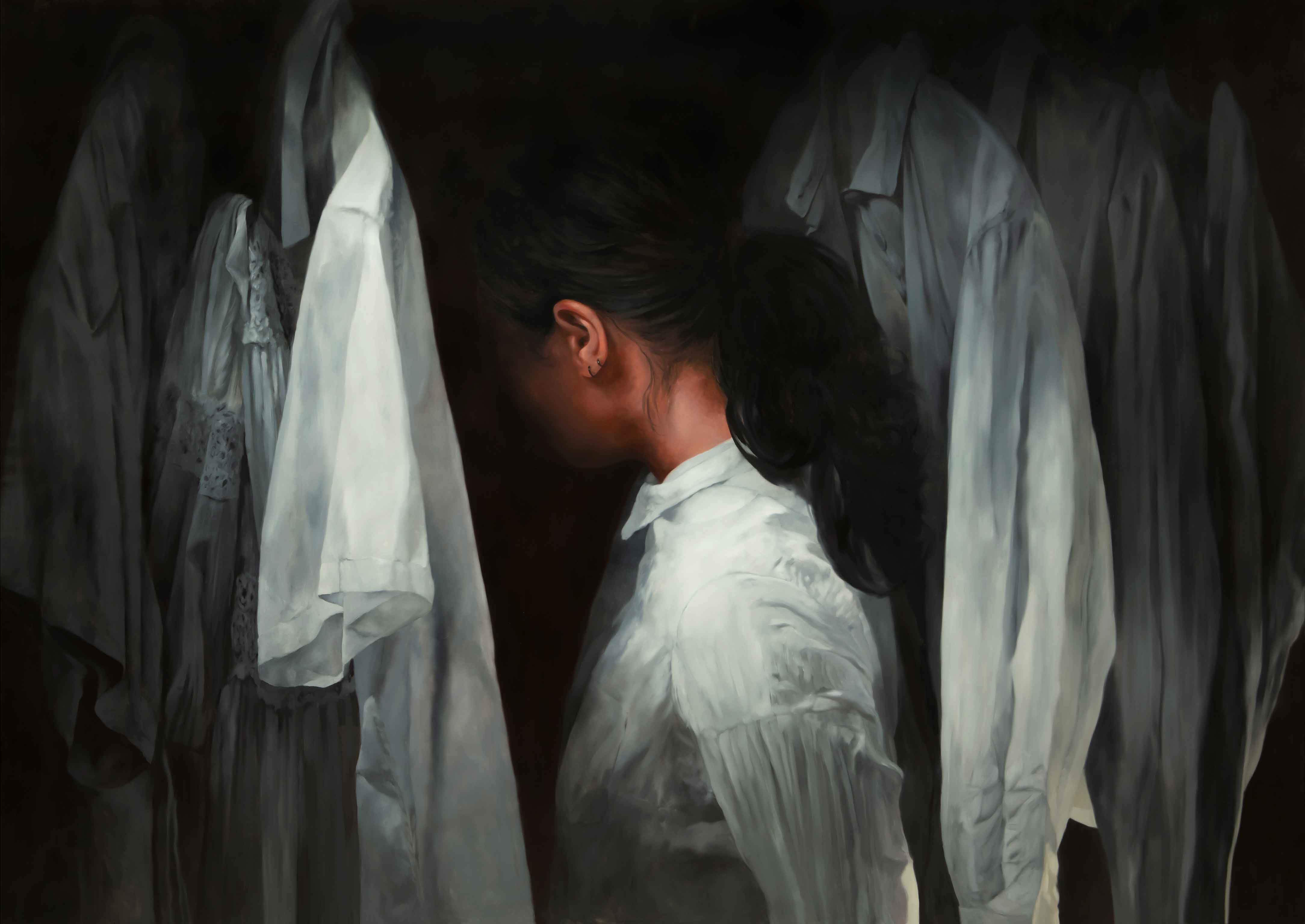
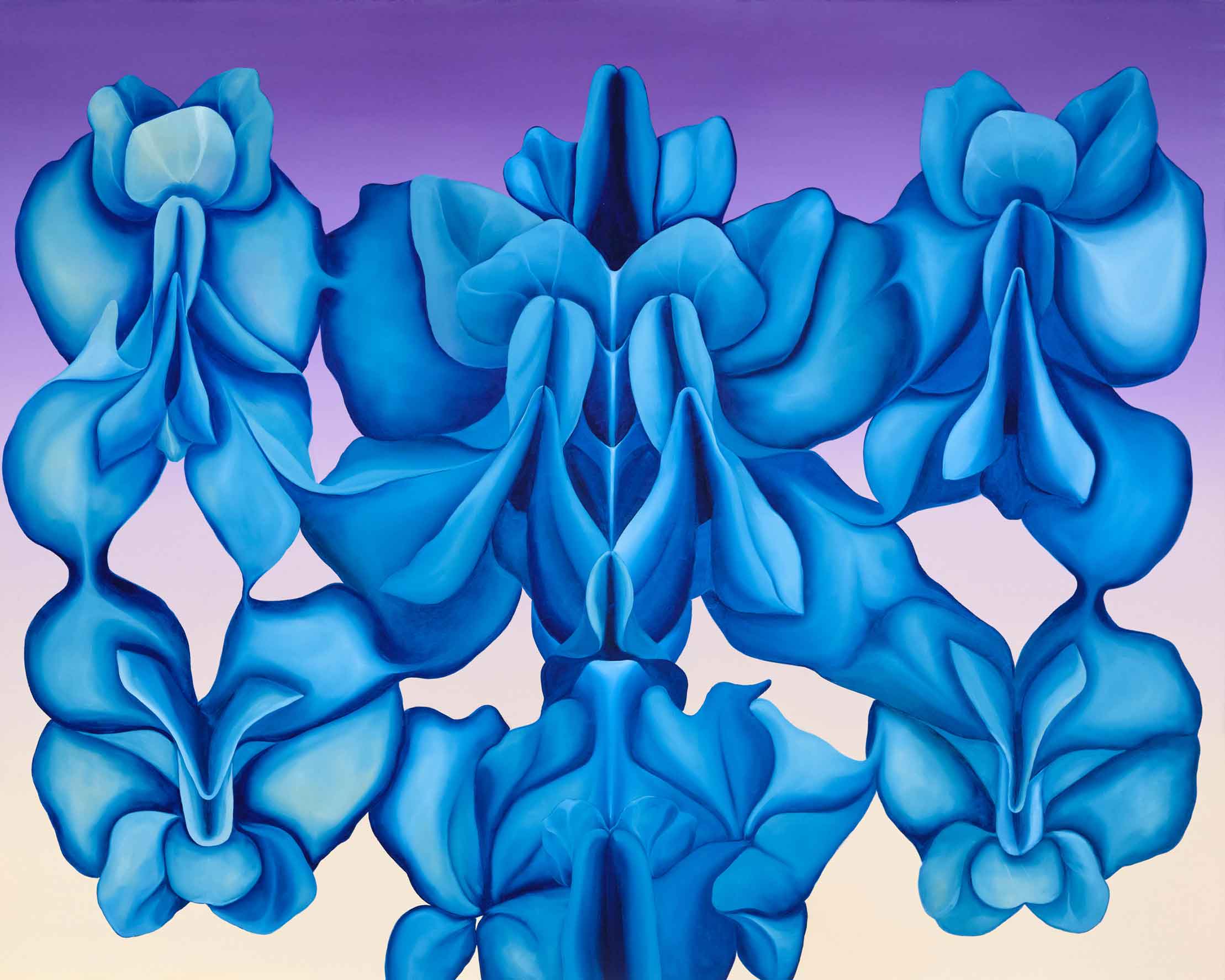
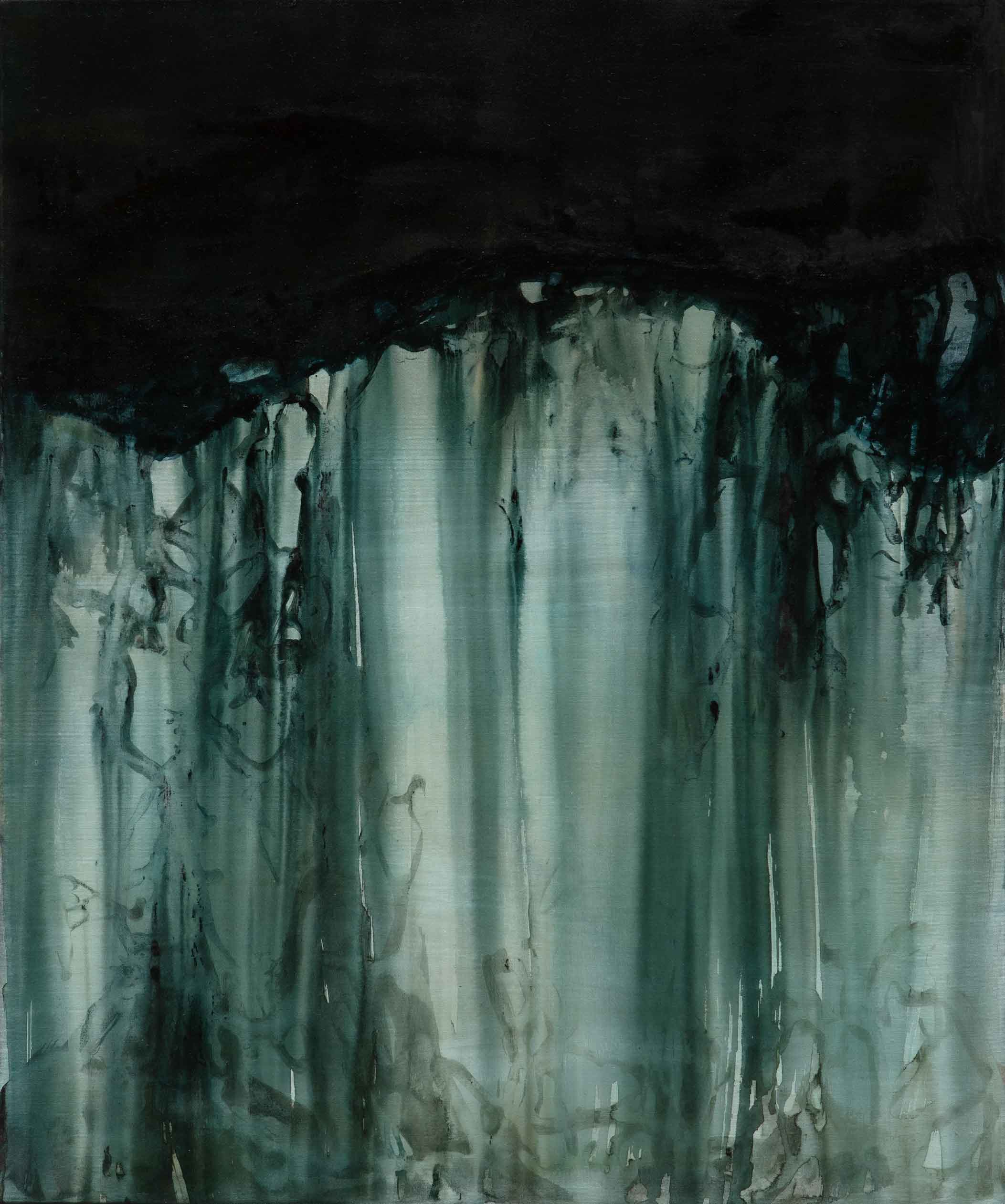
Markus Åkesson paints what he sees, by his own account. He collects artifacts and impressions that are brought together into new narratives. He is known for his neo-figurative and highly detailed paintings that combine craftsmanship with surreal and nature-inspired motifs. The paintings explore beauty and decay, emerging through a process of translation between different materials, from intricate patterns to textiles and costumes that form the basis of the final work.
Ellen Ehk Åkesson (born 1976, Nybro) holds a Master’s degree in ceramics from HDK – Academy of Design and Crafts, Gothenburg. Her work has previously been featured in exhibitions at Berg Gallery (Stockholm), Vida Art (Öland), Eskilstuna Art Museum, and Galerie NeC (Paris). She is represented in several public collections, including the Nationalmuseum, the Röhsska Museum, and the Shanghai Museum of Arts and Crafts. In 2019, she was the first artist to receive the Ulrica Hydman Vallien Scholarship.
Markus Åkesson (born 1975, Nybro) is self-taught. His work has been shown frequently in Sweden and Europe at venues including Galerie Da-End (Paris), Lentos Kunstmuseum (Linz, Austria), Fondation Francès (Clichy/Senlis, France), Vida Art (Öland), Kalmar Art Museum, and Berg Gallery (Stockholm). His work is represented in the collections of Fondation Francès, the Public Art Agency Sweden, Château du Rivau, the Alice Walton Family Collection, and the Jacques-Antoine Granjon Collection, among others.
Thanks to: Kosta Boda, private collectors, Värnamo Municipality, Region Jönköping, and Region Kronoberg
%2C-Markus-%C3%85kesson_200.jpg)